If you assume a password-protected Wi-Fi network keeps your internet activity private, you shouldn’t. Security researchers say a newly revealed technique called AirSnitch may now challenge that assumption. In a recent report, researchers presented at the most recent Network and Distributed Security Symposium (NDSS), it was warned that there is a way for cybercriminals connected to the same Wi-Fi network as their victims can secretly intercept their internet traffic.
Unlike many older Wi-Fi attacks (such as KRACK) that attempt to break encryption to succeed, AirSnitch takes a different route. Instead of cracking the digital lock, it essentially tricks the network into handing over someone else’s data.
Once the connection is made, a hacker can redirect a victim’s data through their own device. In that position, the attacker may be able to spy on communications, capture login data, or redirect users to fraudulent websites. Security experts refer to this type of intrusion as a “man-in-the-middle” attack because the criminal quietly inserts themselves between the user and the websites they are visiting.
The good news is that AirSnitch is not something attackers can launch from anywhere in the world. They must first be connected to the same Wi-Fi network as their target. That means the risk is highest on shared networks such as those in airports, hotels, libraries, and coffee shops, to name a few.
Don’t forget to make your home Wi-Fi password strong and difficult to crack. As with all passwords, it should include letters, numbers, and special characters. Just because it’s your home, doesn't mean someone cannot connect to it, if they can get the password.
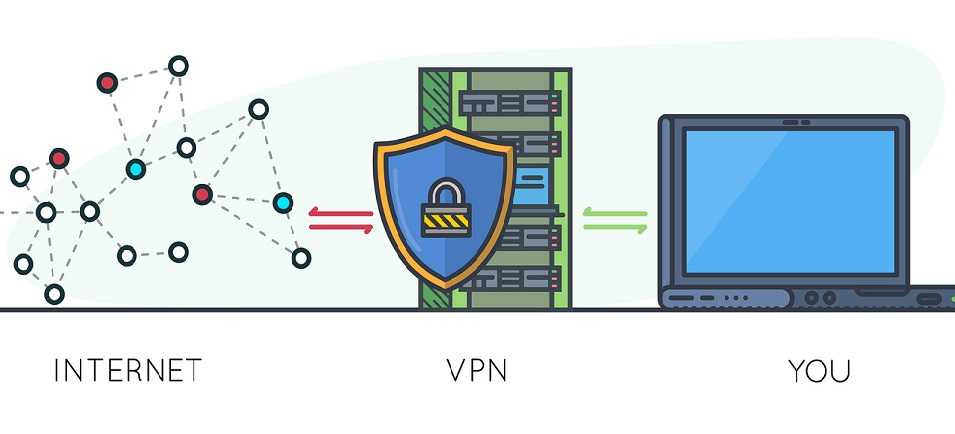
To reduce the risk, avoid performing sensitive tasks like online banking or any financial related tasks when using public Wi-Fi. Using a virtual private network (VPN), keeping devices updated, and logging out of important accounts when finished can also help limit exposure to this and other similar risks. If you do need to perform a tasks that is risky from a public place, use the cellular data connection on your mobile device.
As with many cyber threats, the key takeaway is simple: even when a Wi-Fi network looks legitimate and secure, it may not always be as safe as it appears. A password does not mean safety when it comes to public connections.

 SUBSCRIBE TO WEEKLY NEWSLETTER