Watch Out for Scammers Targeting Social Security and VA Benefits
By: Jim Stickley and Tina Davis
February 22, 2026
Cybercriminals never miss a chance to prey on trust, and they’ve found a fresh batch of victims by zeroing in on Social Security and Veterans Affairs (VA) benefits. These scams aren’t flashy or complicated—they’re designed to trigger fear, urgency, and confusion. After all, no one wants to believe they’re in trouble with the government, which makes these scams all the more attractive for scammers. And unfortunately, they’ve been working.
Here’s the setup: You get a call, text, or email claiming there’s a “problem” with your benefits. Maybe your Social Security number is “suspended,” your VA disability payment is “on hold,” or your account requires “immediate verification” or it’ll be locked. The message might even look official, complete with logos and real agency names. The VA’s notice noted they are using fake VA letterhead and logos on notices, as well as spoofing actual VA phone numbers. Once they have your attention, the scammers push you to confirm personal details, hand over financial details, or make a payment to “fix” the issue.
You should never be asked to or have to pay an upfront fee for assistance with managing VA debts and claims. So don’t let anyone tell you otherwise.
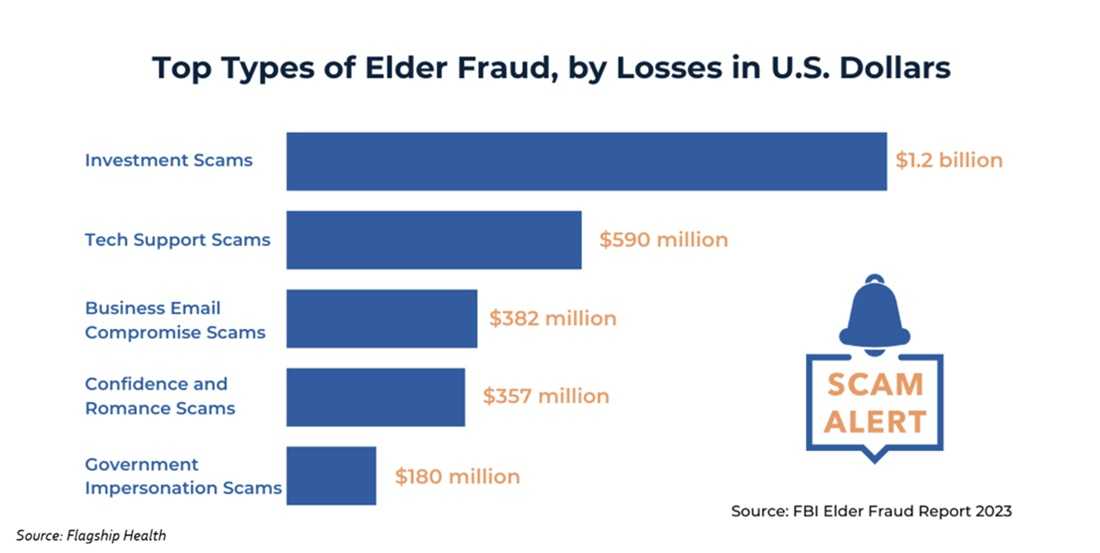
In reality, government agencies don’t call out of the blue demanding sensitive information. They’ll send a letter using the U.S. Postal Service or send a message to your actual account in box. They don’t threaten arrests, suspend your benefits because of paperwork, or ask you to verify your identity through text messages. And they certainly won’t request payment through gift cards, wire transfers, or cryptocurrency.
If you receive a message like this, stop and take a breath. Don’t click links. Don’t call any number provided. Instead, contact Social Security or the VA directly using official numbers from their websites or log into your online accounts using a link you have bookmarked and trust. And if something feels off, trust your instincts, because that means that “something” probably is off.
The bottom line: Your benefits are important, and scammers know it. Staying alert keeps them from cashing in on what’s yours.

 SUBSCRIBE TO WEEKLY NEWSLETTER



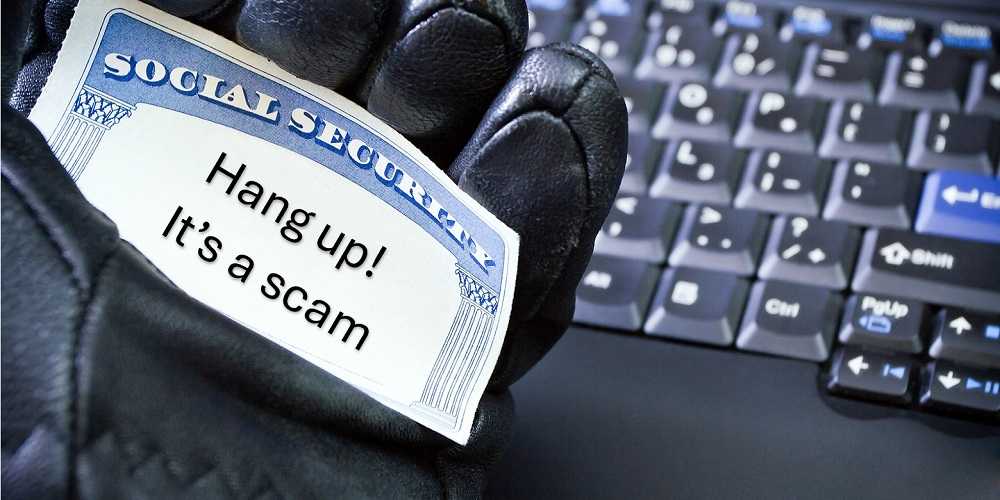
 Know The Signs Of A Social Security Scam