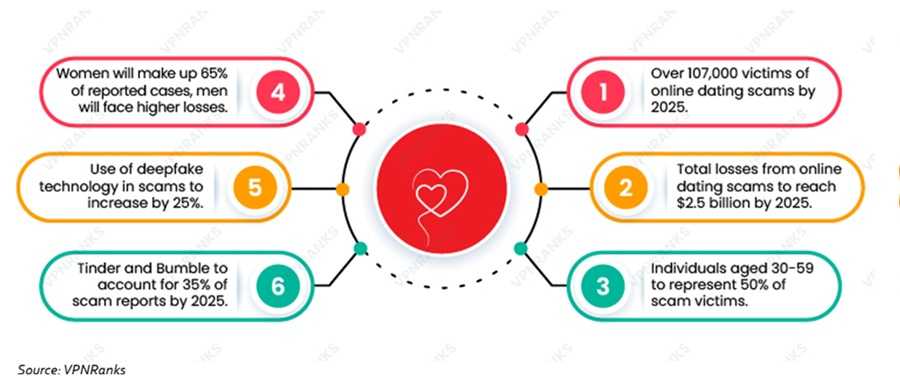
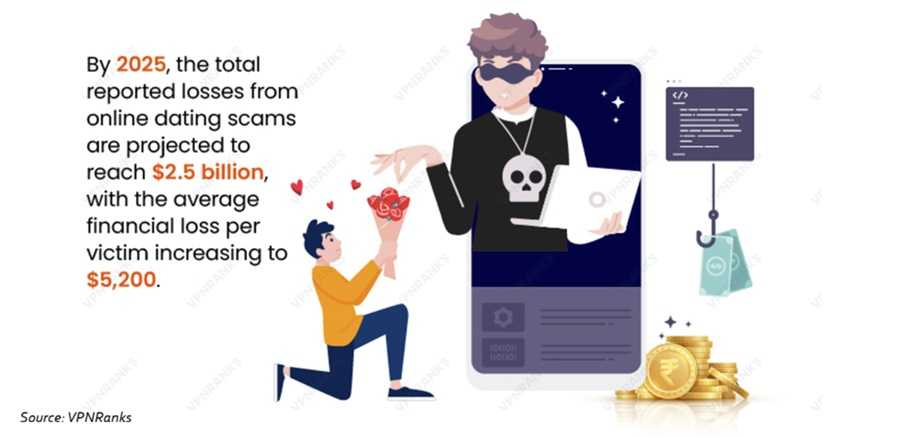
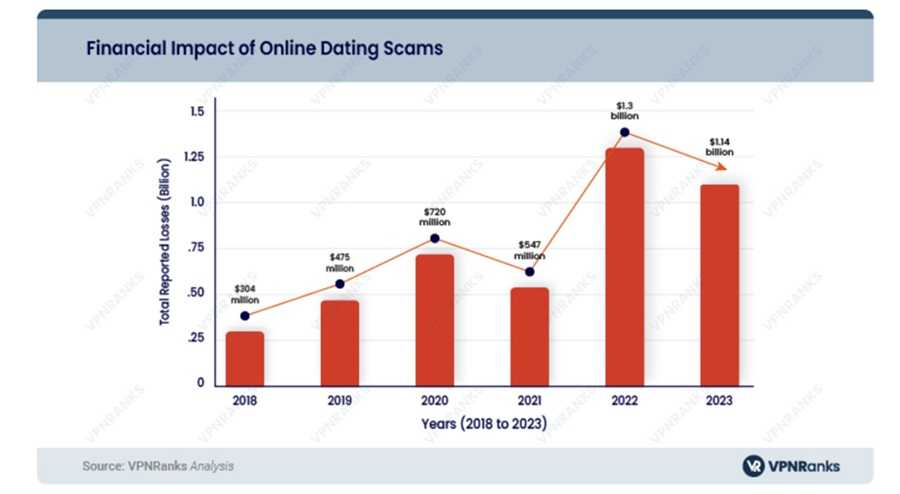
It's probably no surprise now, but romance scams are not about love. They are about patience, persuasion, and separating people from their money. The FBI Internet Crime Reported that in 2024 alone, Americans reported losing over $642 million to romance or confidence scams. Most of the victims were over the age of 40. But don’t believe for a moment that younger people are not victims too. Anyone can become a victim of these ruses.
These scams are not sophisticated. They usually start on dating apps, social media, or even professional networking sites. A stranger strikes up a friendly conversation, quickly shows interest, and then begins building trust. The relationship feels real because the scammer invests time. Days turn into weeks. Compliments turn into emotional dependence. That’s when they strike.
The most common romance scams involve fake emergencies, overseas workers who can’t meet in person, and sudden “investment opportunities.” A scammer may claim to be deployed military, working on an oil rig, or widowed and lonely. Eventually, they ask for money to cover travel, medical bills, business problems, or cryptocurrency investments that promise big returns but deliver nothing.
While anyone can be targeted, romance scams most often affect older adults, recent widows or widowers, and people feeling isolated. According to federal reports, victims routinely lose tens of thousands of dollars. Many lose far more and are too embarrassed to report it.
And these are becoming even more difficult to detect with the use of artificial intelligence. Bots start up conversations with unknowing love-seekers that are very difficult to identify from a human.
Fortunately, since they all have that same general structure mentioned previously, avoiding romance scams comes down to a few trusted guidelines:
Never send money, gift cards, or cryptocurrency to someone you have not met in real life.
Be suspicious of anyone who pushes the relationship forward quickly or avoids video calls.
If a new love (or friendship) interest asks you to move the conversation off the platform right away, that’s another red flag.
When emotions are involved, pause and ask a trusted friend for perspective.
Real relationships don’t require secrecy, urgency, or wire transfers. They do require trust. If you cannot feel that, don’t continue that connection.

 SUBSCRIBE TO WEEKLY NEWSLETTER