Fake Online Car Dealerships Drive Off With Your Money
By: Jim Stickley and Tina Davis
February 16, 2026
If you’re like me, you hope you will never have to walk into a car dealership again to purchase a car. Just thinking about the last experience is anxiety-inducing to the highest degree. I suspect I am not alone in this. So the next time you want to purchase a vehicle, perhaps an online dealership will sound right up your alley. And, that’s all well and good, but scammers are onto that too and are creating fake online car dealerships to play off of that car-buying dread.
 Doing nearly everything online is more appealing to many these days. And car shopping is no different. In a recent survey by the insurance company, Progressive, 78% of the people surveyed who bought a car online were highly satisfied with the experience and it’s a growing industry. That’s why cybercriminals are putting some significant effort into you buying their scams, rather than a car.
It works like this: The scammer sets up a fake website. They may use actual dealership names and graphics or even scrape a legitimate dealerships website. Then they price the vehicles to be great deals. That gets your attention.
The scammers are so good with their phony sales pitches, that it’s more difficult to tell than ever. They are responsive, send photos, answer questions quickly, and make you believe they have your best interest at heart. Obviously, what they really care about is your car buying money in their bank accounts.
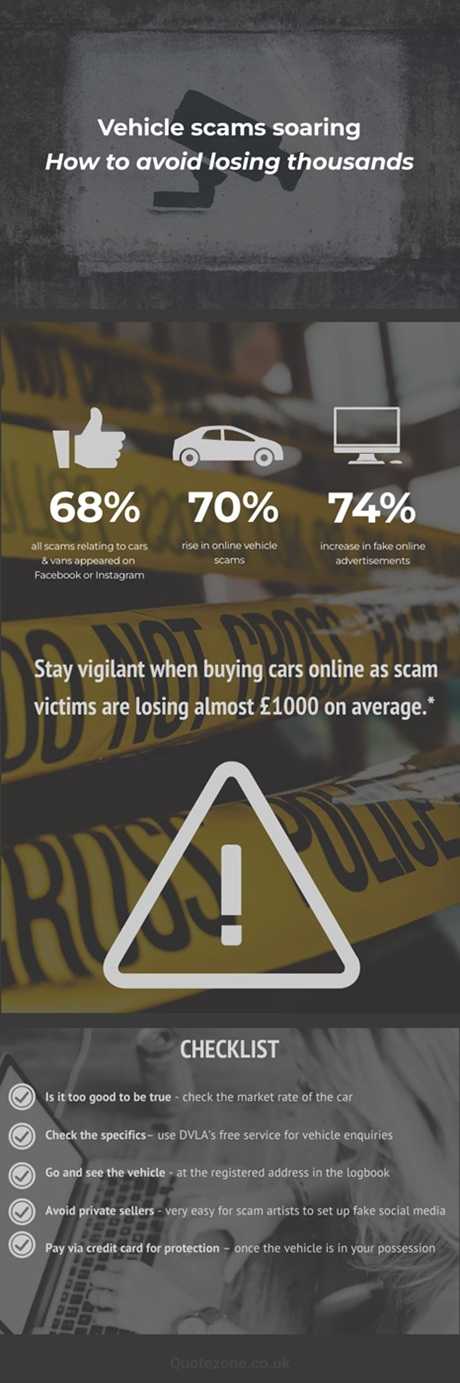
If you’re in the market for a vehicle and are considering an online purchase, you can do some things to limit your risk.
- Do an independent search for the dealership phone number and give them a call to be sure it’s an actual dealer. Ask them about their website and gain confidence it’s not a sham.
- State Department of Motor Vehicles or Transportation Departments may keep a list of authorized dealers in your state. If it’s not on their lists, think twice about using it.
- Be very wary of too-good-to-be-true pricing. If it’s a lot lower than other similar vehicles, well, that could be a red flag.
- If there is no opportunity to kick the tires and test drive the vehicle, it’s probably not a legitimate seller.
- Check the vehicle’s history. If you can’t find it, they won’t provide it, or it doesn’t match what you’re finding, don’t go any further.
- If you’re made to feel rushed into making a decision, that’s a clue it could be a scam.
Of course, if they ask for payment in crypto currency or cash, or the financing options offered are otherwise unconventional, you should probably take a different route.
If the dealership disappears after you start asking questions, let it drive off for good.

 SUBSCRIBE TO WEEKLY NEWSLETTER