Watch Out for Scammers Pretending to Be FDIC or OIG Officials
By: Jim Stickley and Tina Davis
March 14, 2026
Scammers are increasingly pretending to be officials from the Federal Deposit Insurance Corporation (FDIC) or the FDIC Office of Inspector General (OIG). Reaching you by phone, email, text, or even via social media and demanding money or personal information. According to an alert from the FDIC OIG, these impersonation scams often use official-sounding names, real official-looking seals or logos, and urgent or threatening language to seem legitimate.
Here’s how these scams typically work:
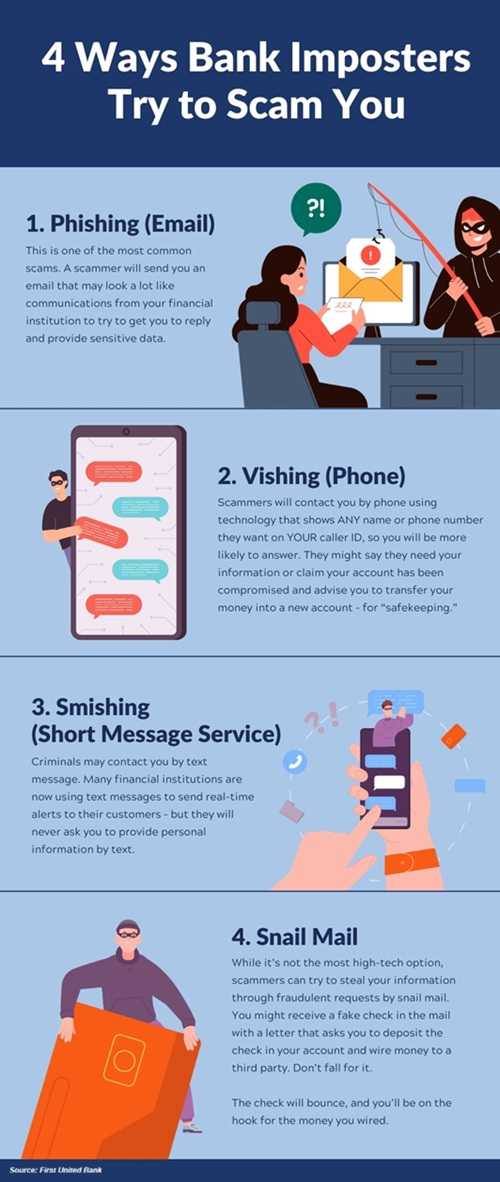 You might get a call or message saying you’ve been “selected” for a grant or compensation, but only after you “verify” your bank account, pay a fee, or share personal details.
Alternatively, scammers might claim you’re under investigation and must pay a fine via gift cards, wire transfer, or digital currency to avoid arrest or account freezing.
Even the payment methods are a warning sign. No legitimate government agency will ever demand payment by gift card, cryptocurrency, or ask for your banking login (ever) or Social Security number out of the blue.
How to Protect Yourself:
- Know who contacts you. If someone claiming to be from FDIC or FDIC OIG reaches out unexpectedly, treat it as suspicious. These agencies do not send out unsolicited correspondence asking for sensitive information.
- Never give personal info or pay before verifying. Don’t share account numbers, Social Security numbers, or send money. This is especially true if they ask for it using gift cards or cryptocurrency.
- Contact FDIC directly. If you’re unsure, use a phone number from the FDIC’s official website or call your financial institution’s main line to verify any claims.
- Avoid clicking links or calling unknown numbers. Scammers often include malicious links or fake phone numbers to seem real. Don’t use them. Find this information independently.
- Report suspicious contacts. The FDIC OIG has a hotline you can use to report impersonation attempts, even if no money was lost.
When in doubt, pause, verify, and protect yourself. Stay skeptical of unsolicited requests. Real agencies don’t demand money under pressure. There’s always time to stop and think.

 SUBSCRIBE TO WEEKLY NEWSLETTER