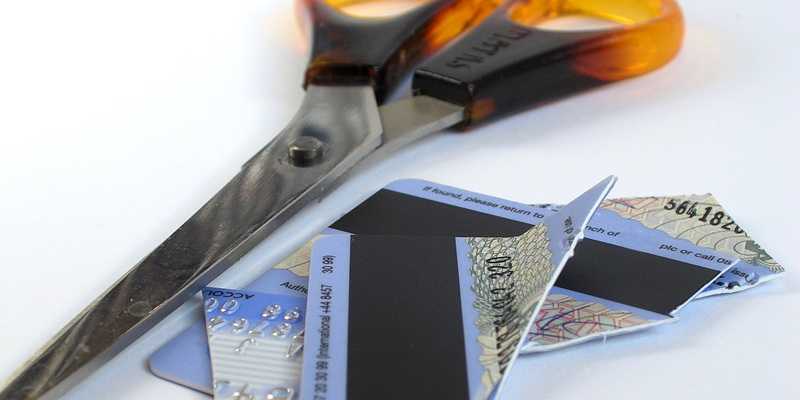
Scammers Steal Chips and Cash From Destroyed Debit Cards
By: Jim Stickley and Tina Davis
March 17, 2026
Debit card use has always come with risk. However, a troubling new twist in debit-card fraud is turning the chip we’ve all come to trust for security into a weapon. In this attack, scammers call victims pretending to be a representative from a financial institution and claim there’s a problem with the debit card. But, fortunately, there’s a “fix” that that the scammers will very helpfully assist you in completing.
The scammers manage to convince victims to take scissors to the plastic card, but leave the chip exposed. Then, they say that as a security convenience, a courier or “bank agent” will stop by later to collect it—for security, of course. An accomplice shows up, collects the damaged card, and the fraudsters use the intact chip plus your PIN that they manage to also trick you into providing to them so they can drain your account.
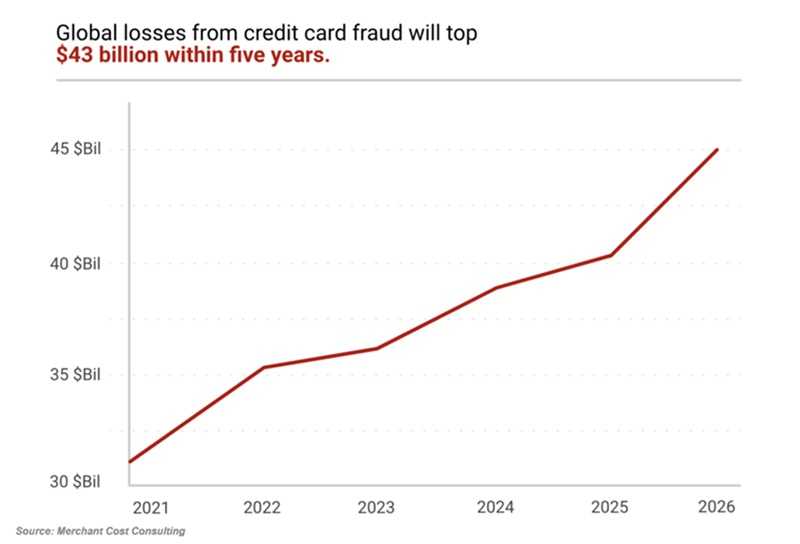
As if any phishing attack isn’t bad enough, what makes it especially dangerous is the combo of phone spoofing, stolen personal data, and in-person confidence tricks. It’s a social engineering trifecta. Callers often sound convincing and can display caller ID that looks legitimate. They pressure victims to act fast — a classic tactic that works.
Law-enforcement warnings show this isn’t isolated; fraud rings have used porch theft, fake texts, and hired accomplices to turn stolen mail and chipped cards into cash and there is no end in sight.
There are some ways to protect yourself.
- If anyone claiming to be your financial institution asks you to destroy your card, take a minute to think. Than hang up and call your financial institution using the number on the back of your card or a bookmarked number. Don’t trust an incoming caller ID.
- Never follow instructions to leave the chip exposed or hand a damaged card to a stranger. There is valuable information on those chips. Put it into a shredder or cut it into many pieces and throw it in the trash. You should not be asked by a legitimate organization to protect the chip.
- Enable transaction alerts, enroll in multi-factor safeguards where available, and check accounts daily.
If you suspect something may be amiss, report it immediately to your financial institution. The faster you let them in on it, the better your chances of getting money back, if the scammers happen to succeed.

 SUBSCRIBE TO WEEKLY NEWSLETTER