Every year around tax season, the Internal Revenue Service dusts off its figurative bullhorn to alert taxpayers about the “Dirty Dozen” tax scams. These are a dozen common schemes crooks are using to steal money, identities, or both that ramp up during tax filing season. While you’re gathering all the documents and calculating all the figures, keep in mind what else you might come across during this time.
While there are a dozen, we’ll go over them generally. If you want to read the complete list, check out the IRS[.]gov website.
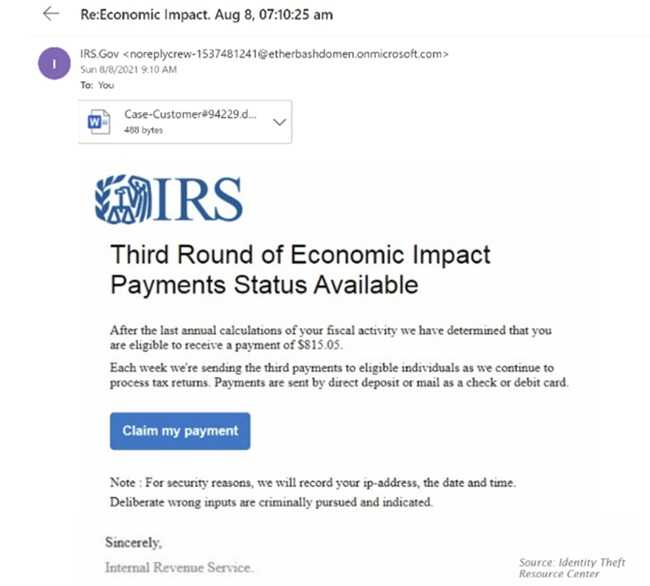
Phishing and Smishing Scams
Scammers send fake emails or text messages claiming to be the IRS or other tax authorities to trick you into clicking links, entering personal information, or downloading malware. The IRS will never initiate contact by email or text about a refund or bill. Delete these messages and don’t click.
Bad Tax Advice on Social Media
We love our social media, but let’s face it…sometimes influencers shouldn’t be trusted. Short videos and viral posts may brag about secret credits or misusing tax forms. Following this advice can get you audited or worse. Stick to trusted sources like the IRS website or a licensed tax pro.
Fake Online Help Offers
Scammers pretend to help you set up an IRS online account to steal your sensitive tax and financial details. Always go directly to the IRS website if you want to create or manage your account. If necessary, give the friendly IRS folks a call using a phone number on the IRS website and they’ll help you.
Bogus Charities and Misleading Credits
Fraudsters set up fake charities or push ineligible credits like the fuel tax credit. Before claiming deductions or credits, confirm eligibility or verify a charity’s status.
Overstated Withholding & Other Fake Refund Schemes
Some frauds encourage making up income or withholding numbers to get a larger refund. Filing false info is illegal. Always use real documents from employers and financial institutions.
Shady Preparers and New Client Scams
Be cautious of “ghost” preparers who won’t sign your return or tax pros targeted via fake emails. Choose tax professionals with credentials, and don’t send sensitive info to unknown contacts.
 How to Avoid These Scams
- Verify sources. Check credentials and licenses.
- Don’t click unsolicited links or open attachments. Follow the regular anti-phishing tips.
- Confirm any contact from the IRS by mail or official IRS website. If it doesn’t end in .gov, it’s not the right place.
- Work with reputable tax professionals.
Staying alert and skeptical during tax season and all the time can protect both your refund and your identity.

 SUBSCRIBE TO WEEKLY NEWSLETTER