Not to worry! It’s not your little furry friend that you need to be concerned about in this case. But ACATS fraud transfer should perk up your ears. The Automated Customer Account Transfer Service, or ACATS, is a system used by U.S. financial institutions to securely transfer assets, such as stocks, bonds, or cash, from one brokerage account to another. To appease our desire for speediness and without a lot of bother, ACATS is meant to make moving investments just that: fast and efficient. Unfortunately, cybercriminals have found ways to exploit this legitimate system in a new and dangerous type of financial fraud.
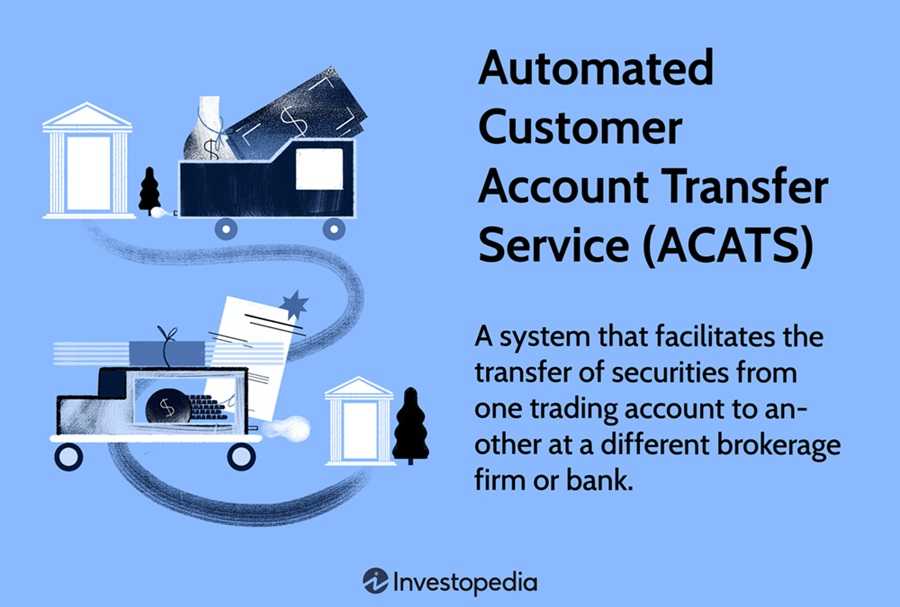 ACATS fraud occurs when scammers gain unauthorized access to a victim’s brokerage account — often through stolen login credentials, phishing attacks, or compromised email accounts. Once inside, the criminals initiate an ACATS transfer request to move the victim’s assets to an account they control. Because these transfers are automated and processed quickly, funds can vanish before the investor or brokerage realizes what has happened.
There is approximately $45.8 trillion sitting in various investment accounts in the U.S. Many of them are infrequently checked by the owners, leaving them a very ripe target for fraudsters. The action can happen before the account owners notice.
This type of fraud most often targets individual investors and retirees, particularly those with online brokerage accounts or self-directed retirement funds. High-net-worth individuals and active traders are especially at risk, since they typically have larger account balances and more frequent transfer activity, making suspicious transactions harder to spot.
To avoid becoming a victim, investors should take several precautions.
 Enable multi-factor authentication (MFA) on all investment and email accounts to make unauthorized access harder. Use a code generator app, a hardware key, or keyfob token device if those are available. Passkeys are also good. Use an SMS or email one-time code, only if there is no better option. But use something.
Regularly monitor brokerage statements and account alerts for unexpected transfer requests or changes to account information. Set transfer alerts so you’ll know right away if money was moved from your accounts.
Be cautious with emails or texts claiming to be from financial institutions — especially those requesting login credentials or verification codes. Legitimate ones will not ask you for that information.
Finally, if you receive an unexpected notice of an account transfer, contact your brokerage immediately to stop or reverse the transaction. Also report it to the Securities and Exchange Commission (SEC), the Financial Industry Regulatory Authority (FINRA), the Internet Crime Complaint Center (IC3), and your local law enforcement.
ACATS fraud is a stark reminder that even automated systems built for efficiency can be weaponized. So, stay alert and keep your retirement where it belongs—spent on a cruise or a beach, for example.

 SUBSCRIBE TO WEEKLY NEWSLETTER