Be it by text, phone call, or email, cyber thieves love trying to scam us out of something of value. It could be for our personally identifiable information (PII), bank account information, payment card data, or all three at once. If there’s one thing we can count on today it’s this: Every day, and likely every minute of the day, the world over, someone is being scammed in some way.
Many “everyday” scams involve package delivery services. Whether you’re expecting a package or not, it doesn’t matter because scammers will steal what they can from you. Being aware of the common tactics used to catch us off-guard can help keep us scam-safe. Below are widely used package delivery scam messages, so pay attention if you don’t want to be next.
2
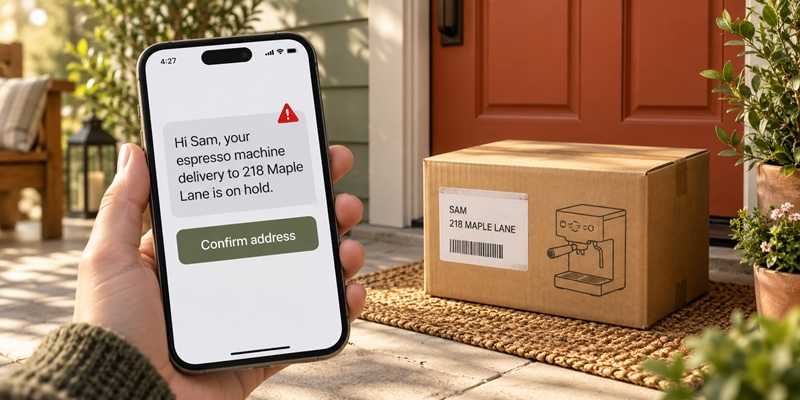
Package scammers impersonate known delivery services or retailers to get you to divulge valuable information. Some of the most prevalent messages that scammers use, including keywords, are red flags to watch for: Courier was not able to deliver parcel; Please confirm your delivery shipment; Problems delivering item; Please update delivery preferences to receive your package; In order to get your shipment, open the attachment and verify your payment details. All combinations of these messages are surely scams.
2
 If you’re alerted to a delivery issue, take time to think and avoid an immediate response whenever possible. Scammers know getting you to rush or panic is a way to get you to make mistakes. Below are some of the best ways to respond – or not, safely.
- If you’re not expecting a package, hang up or delete the text or email. If you’re curious, look up the genuine phone number or website for the carrier and contact them directly. Never use contact information from a potential scammer since it leads back to them.
- Don’t follow text links, especially to a web page. The message and link lead to a bogus website asking for PII, payment details, and other sensitive information. Websites can also download malware on your device.
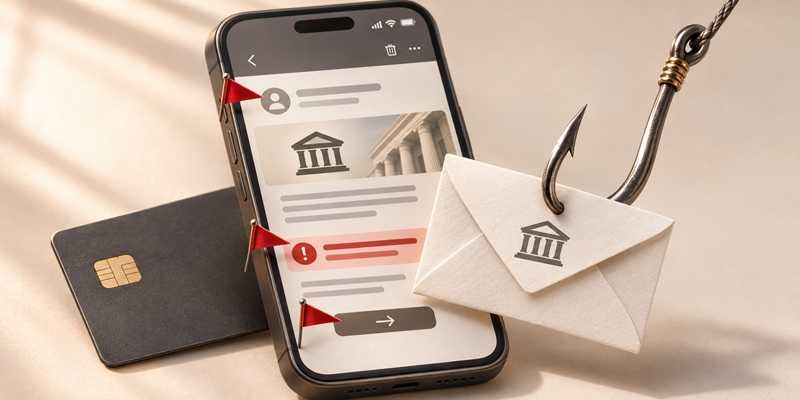
- Look for the red flags of email and text phishing (smishing). Never respond to generic greetings, misspellings, bad grammar, and bad graphics. They’re all sure signs that something isn’t right, and the best response is to delete them.
Above all, remember to never verify your PII unless you’re 100% sure the request is legitimate, and always go directly to the authentic source to find that out.
For banks and credit unions
Share this article with your members
Copy a ready-made summary and link for your newsletter, website or social posts.