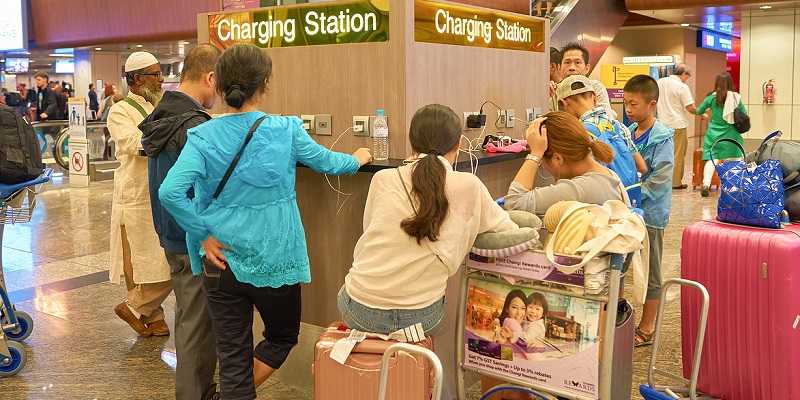
The FBI and FCC have both issued repeated warnings about something many of us do without thinking—plugging our phones or tablets into public USB charging ports. And now, the Transportation Security Administration (TSA) is joining in, telling travelers to steer clear of USB ports in airports.
Why? “Juice-jacking.” It’s when cybercriminals use USB charging connections to steal information or install malware on your device—often without you knowing.
Jim Stickley of Stickley on Security has built these malicious chargers for demos and says the danger is real: “It will charge your phone, which is what is so genius about it. You don’t suspect anything else is happening beyond that. But it could be quietly installing malware or stealing your data.”
TSA says airport charging ports are especially risky during peak travel seasons. A hacker en route to a destination, or we hate to say it, but perhaps an airport worker that does this as a side gig, can tamper with public kiosks or leave infected cables plugged in, waiting for someone in a rush to connect. Sometimes, bad actors even hand out free “promotional” cables pre-loaded with malware.
 To protect yourself:
- Charge all of your devices full before leaving home.
- Carry your own wall adapter and plug into an outlet, not a USB port.
- Use an airline-approved portable power bank.
- Disable USB data transfer in your device or disable the ability to use accessories if the device is locked.
- If it’s critical and you must use a public charging station, turn off your device first.
Bottom line: Whether you’re in an airport, hotel lobby, or rideshare, think before you plug. That “free” charge could cost you a lot more than a few minutes of battery life.
For banks and credit unions
Share this article with your members
Copy a ready-made summary and link for your newsletter, website or social posts.