Convincing Fake Election Messages
By: Jim Stickley and Tina Davis
October 27, 2026
With the 2026 midterm elections approaching, the FBI and the Cybersecurity and Infrastructure Security Agency (CISA) are warning Americans about a growing cybersecurity concern- criminals using phishing, text messages, and artificial intelligence to trick people into handing over sensitive information. The warning highlights how AI can make scams look and sound more believable, giving even cautious internet users another reason to think before they click.
When a Fake Looks Real
Cybercriminals are targeting election officials, political candidates, and campaign organizations because these groups may have access to voter registration records, government contacts, and other sensitive information. But the tactics described in the warning can affect everyday Americans, too.
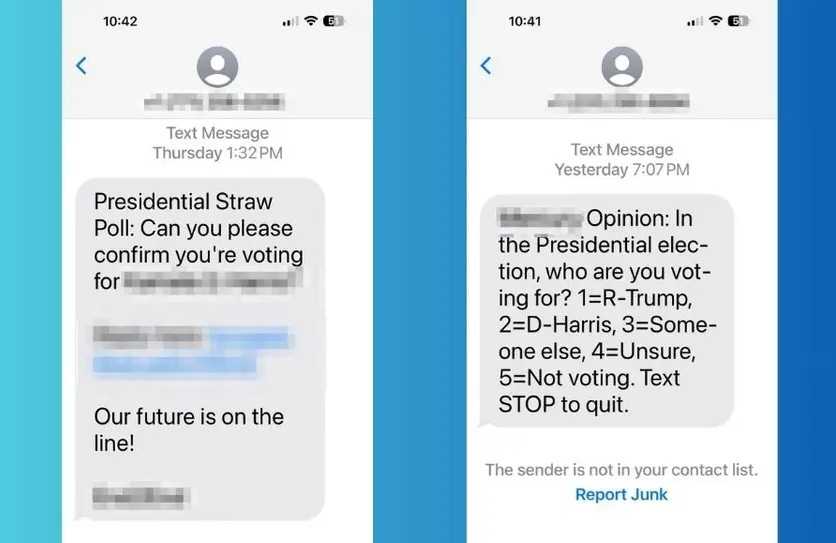
Scammers may send emails or text messages that appear to come from trusted organizations. They might claim you need to verify your voter registration, update personal information, or resolve a problem before Election Day. Click the wrong link, and you could land on a fake website designed to steal your information or passwords.
And yes, AI is in the mix too. AI adds another wrinkle. Criminals can use it to create polished messages without the spelling mistakes and awkward wording that once made many scams easier to spot. They can also generate convincing audio and video impersonations, making it harder to tell whether the person contacting you is who they claim to be.
Don't Let a Scam Cast Your Vote
The FBI has also warned about election-related fraud involving fake campaign donation requests, bogus political merchandise, and fraudulent voter registration messages. Some scammers even promise that campaign contributions will earn a financial return. Just remember, that it doesn’t. If you are offered monetary compensation for your campaign contribution, you should definitely raise an eyebrow.
Protect yourself by following a few simple rules:
- Don't trust unexpected links. Visit your state's official election website directly instead of clicking links in unsolicited messages.
- Verify unusual requests. Contact the organization using a phone number or website you find independently. Scammers hope you’ll use the information they provide you, because it sends you right back to them.
- Protect your accounts. Use unique passwords and multifactor authentication wherever possible. Most websites provide some sort of extra check on your login. Take advantage of it.
- Keep your guard up. A familiar voice, professional-looking email, or convincing video does not prove a message is genuine. Anyone can put on a flashy suit and sound good and voices can be faked so well these days that if you suspect anything strange, you’re probably right.
Don't let this scare you away from participating in the election process. You don't have to avoid election news to stay safe. Just remember that scammers can exploit political interest and public concern to steal information or money just like they can with anything else. When a message demands immediate action, take a moment to verify it before responding.

 SUBSCRIBE TO WEEKLY NEWSLETTER