

In July of this year, Chrysler Corporation made carhacking news, just not in the way they would have hoped. Exposing what many car manufacturers fear, the future of carhacking hit new lows. A Jeep, on a highway outside of St. Louis was remotely hacked. Rendering the transmission, steering, and other controls useless, it’s an ever-escalating form of carhacking.
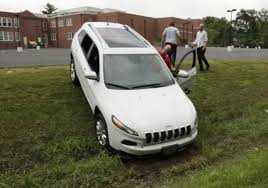 The Jeep carhack was experimental and no one was hurt. But Detroit is feeling the pain from the latest level of success cybercrooks have reached. General Motors and Ford have now joined together, sharing their insight and new technologies. They hope this effort will be effective at thwarting savvy carhackers.
Cars with keyless entry are at the forefront of the problem. What car companies first created as a theft-proof entry system is now providing car thieves with easy and inexpensive access. For as little as a $17, carhackers are on the road to success. With no signs of damaged locks or shattered glass, it’s a seamless and clean crime. Adding insult to injury is the realization that car companies are always one step behind. As car electronics continue to become more sophisticated, so do the hackers.
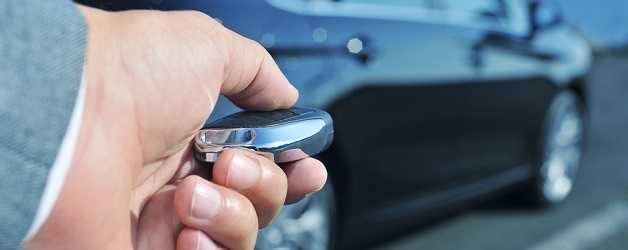
Any car less than 10 years old likely has one of these keyless entry systems. Before that and even still today, a key fob had a few buttons that when pushed, would unlock the vehicle, open the truck, or set off a panic alarm. However, in most cases, the key fob merely needs to be within a certain distance, usually 2-4 feet, and at the push of a button on the door handle, the car opens and can be started.
 It works like this: A signal is sent from the act of pressing the button or turning the ignition key (or pressing the ignition button) to the key fob. If the key fob is within range, the door opens or the vehicle starts. If not, it won’t. Simple.
What some cybercriminals are doing is using an amplification device that makes the signal from the key fob stronger and therefore “tricks” the car into thinking it’s nearby. No broken windows. No popped locks.
How does one thwart this? Parking in a garage will lower the risk because the vehicle is merely out of sight and therefore a more difficult-to-reach target. Don’t keep valuables, including laptops and mobile devices or documents with sensitive information in your vehicle, whether you park in the garage or not. That just invites crooks to steal from you and information on a laptop and documentation is golden to an identity thief.
Perhaps a not so obvious solution is to put that key fob in the freezer. Yes, you read that correctly. Doing this creates a shield, or Faraday Cage, between the car and the key fob. This is a quick solution until a better one is found.
Car manufacturers are certainly looking into solutions such as installing a chip in the key fob that indicates the distance between the car and the fob. That would render such devices as this one useless.
While Chrysler released a statement criticizing the easy access of “how-to” information, it is far from being the only manufacturer facing security issues. Out of necessity, other car companies are beginning to get on board. Not knowing what it takes to keep carhackers from continued success, it may take an all-out collaborative effort among the car manufacturers to fight this.
For banks and credit unions
Share this article with your members
Copy a ready-made summary and link for your newsletter, website or social posts.




