


Brian Krebs has once again lead the way in the cybersecurity world to unearth another possible credit card breach. In a statement made by Bob Bertini, spokesperson for the Wendy's restaurant chain, the company began receiving reports from its payment industry contacts indicating a possible data breach and the hiring of a security firm to investigate.
"We have received this month from our payment industry contacts, reports of unusual activity involving payment cards at some of our restaurant locations." Bertini said. "Reports indicated that fraudulent charges may have occurred elsewhere after the cards were legitimately used at some of our restaurants. We've hired a cybersecurity firm and launched a comprehensive and active investigation that's underway to try to determine the facts."
With approximately 6,500 Wendy's locations across the United States and 28 other countries, this breach has the chance of being one of the biggest to date.
 What Can I Do To Protect Myself: The key thing to remember is that you have many tools at your disposal to protect your finances and credit rating.
- Monitor your credit and debit card activity to identify any inaccurate charges and report them immediately to the financial institution.
- Visit annualcreditreport.com and obtain a free credit report every 4 months. Each credit service is required to provide one report per year at no charge, so rotate through each service to identify any inaccurate information year around. Report any suspicious activity to the reporting agency right away.
- Be on the lookout for phishing scams. When this news breaks, cybercriminals will use this opportunity to send out 100's of millions of phishing emails pretending to be either Wendy's or your financial institution in an effort to get you to give up your financial account information. The scam is simple, but the emails are very convincing so follow a few email and text rules to avoid being the next victim of identity theft or fraud.
1. Never click on a link unless you are 100% sure it is safe.
2. Your financial institution will NEVER ask for confidential information over email or text, nor will they ever send you a text or email with a link.
3. If you want to visit a website, open a browser and type the address in or use a bookmark. Malicious links lead to websites that look identical to the one you are expecting. The difference is when you log in, you are actually sending your credentials directly to the cyber thief who will use them immediately.
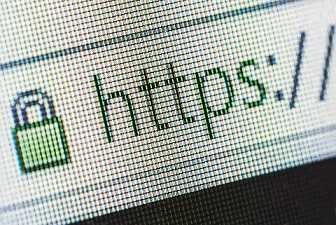 4. Always check to be sure that you are logging into a secure website by checking the Address Bar for a lock logo and "https". If you don't see a lock or the 'S' at the end of 'https', do not enter any information.
Cybercrime is a multi-billion dollar industry, but you do not have be one of the millions of contributors. Take computer and device security seriously and you can keep these criminals out of your pockets.
For banks and credit unions
Share this article with your members
Copy a ready-made summary and link for your newsletter, website or social posts.




