


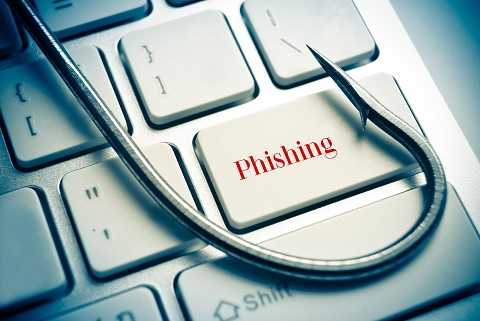
 It’s time to be on the lookout for IRS phishing scams, if you haven't been already. The IRS is reporting some pretty startling statistics. Not the least of them is that phishing and malware has surged 400% this tax season already.
The phishing attempts the IRS is warning about attempt to get taxpayers to disclose or confirm information such as filing status, refund information, transcript orders, and PIN information. They may be sent via email and/or text message and according to the IRS, have been circulating all across the United States.
 Watch for the indicators that a messages is phishing. Phishing attempts have characteristics that can be identified. Often, they have typos, grammatical mistakes, and are not written particularly well. They may appear to be of an urgent nature and claim that something bad may happen if you don’t comply. They usually have a link or attachment included and if they are clicked, will take you to a malicious web page or open a form asking for information. However, these are often just downloading malware to your device or collecting information for hackers to use for tax fraud, identity theft, or a number of other things.
Never click links in email messages or texts unless you are 100% sure they are going somewhere legitimate. If there is any doubt what-so-ever, confirm the message with the sender either by calling them or emailing or texting them from a brand new message. Don’t reply to the original ones.
If you need to visit the IRS website, manually type the URL into the address bar or use a link that was previously bookmarked and that you know is safe.
 Remember that the official IRS website is a .gov site and if any link, when hovered over with the mouse goes elsewhere, it may not be real. The IRS also does not communicate with taxpayers via email, text, or phone unless a case is already open with them. Typically, any initial communication will arrive at your door via the US Postal Service.
Other statistics reported by the IRS include that nearly 1,400 phishing and malware incidents have already occurred since January 1 of this year. This already exceeds the 2014 numbers and is already halfway to matching the total for 2015 with more than halfway left to go of this tax filing season.
Remember that the earlier you file your personal income taxes, the lower your risk of being a victim of tax refund fraud.
For banks and credit unions
Share this article with your members
Copy a ready-made summary and link for your newsletter, website or social posts.




