


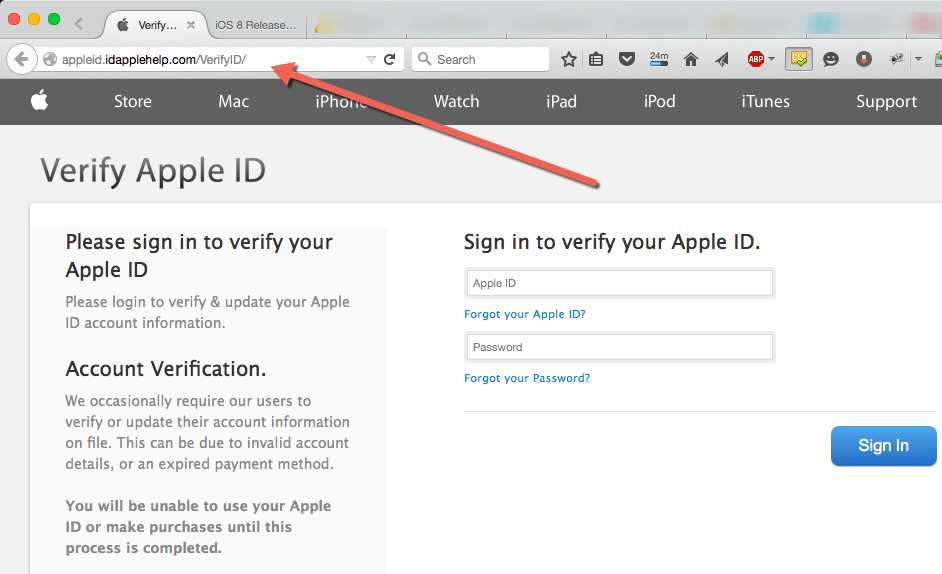
The cyber criminals are at it again. No matter how quickly fake Apple-related websites can be taken down, new ones seem to appear as fast. In a recent event, SMS messages arrive claiming to be from Apple requesting personal information. It’s not just your Apple ID they seek so they can purchase tunes on your account, but they are really after your identity.
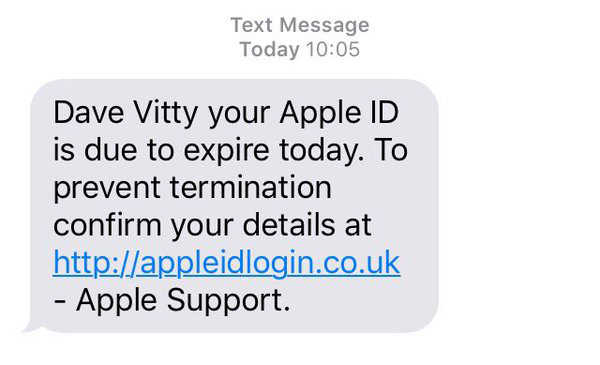 These rotten apples send follow up messages once your ID and login credentials has been retrieved and phish for more information including payment card details, dates of birth, full name, and even answers to security questions. This just proves that they are not merely after a free copy of the latest Adele album, but more likely they want to become you.
Always pay attention to email messages asking for sensitive information or asking you to click a link or open an attachment. Often, the phishers send messages to email addresses that are not even associated to the account they reference in the email. So, make sure that is correct before doing anything. In this case, some of these messages are being sent to Android users, clearly indicating the cyber criminals are not perfect in where they toss their hooks.
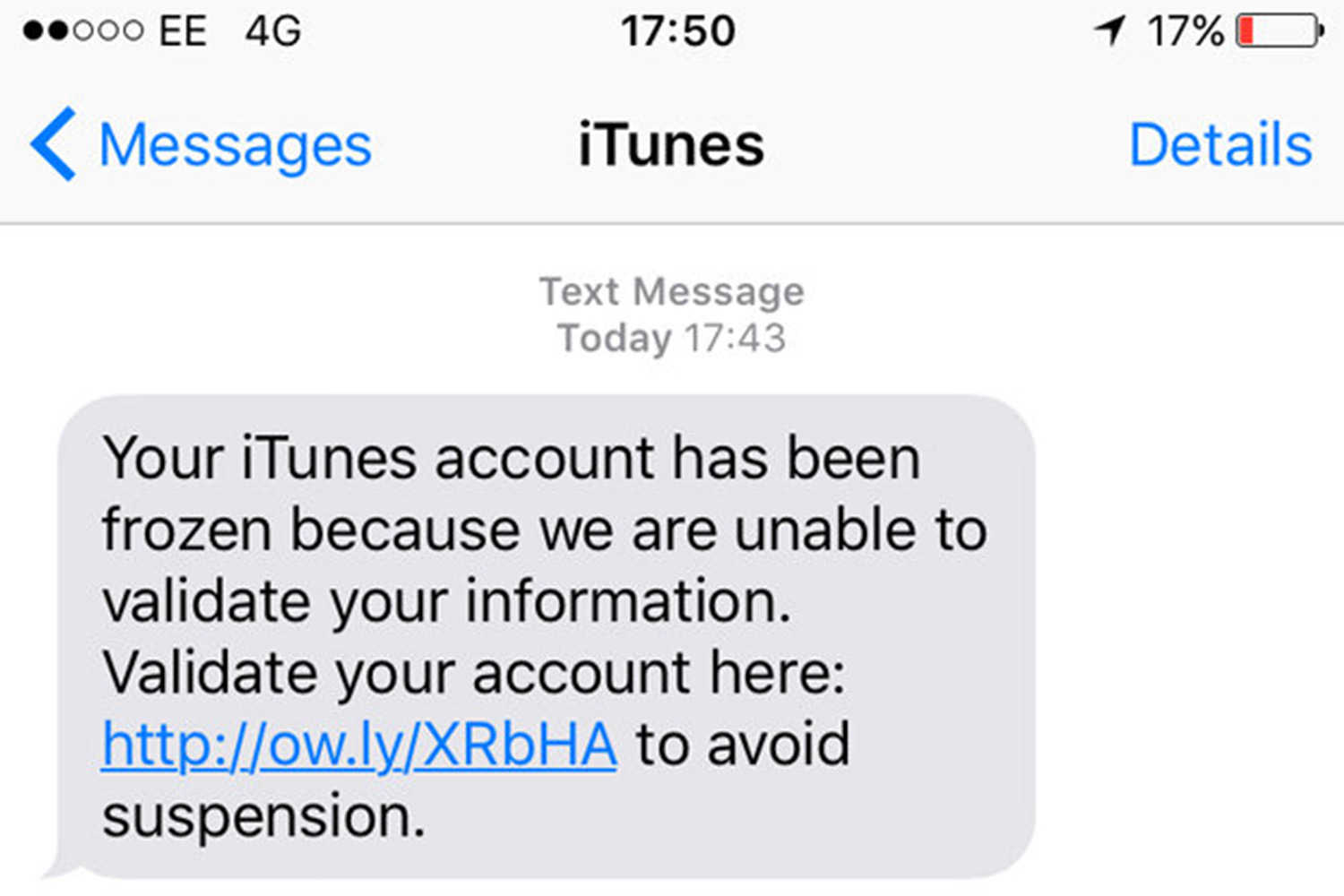 If it is related to your account, make sure the sender is indeed Apple, or the company the address appears to be. You can usually find out by clicking on the address to see it in its entirety if it is not shown. On mobile devices or in web email clients, hold down on the address for a few seconds and it should appear.
To verify the link, hover over it with your mouse pointer or hold down on the link for a second or so to see where it will take you. If it isn’t where you expect, don’t go any further.
Unfortunately, the links in this case all appear that they could possibly be related to Apple, but they aren’t. Therefore, if you get a message from Apple or Google or any company asking you to click something, be 100% confident before taking action. The best action is to go to the website independently of the email and log into your account that way.
If you do come across a website that is fake, you can do everyone a favor by reporting it to Google’s Safe Browsing team. There is a form at Google’s website to report it. By doing this, it helps keep the bad apples from spoiling the whole bunch for all of us.
For banks and credit unions
Share this article with your members
Copy a ready-made summary and link for your newsletter, website or social posts.




