For those responsible for the security of the corporate network, or even a small business network, it’s important to take a layered approach to securing the information that resides on it and passes through it. At the InfoSec conference recently, it was clear to all attendees and vendors that at least five keys layers of protection are necessary for doing this.
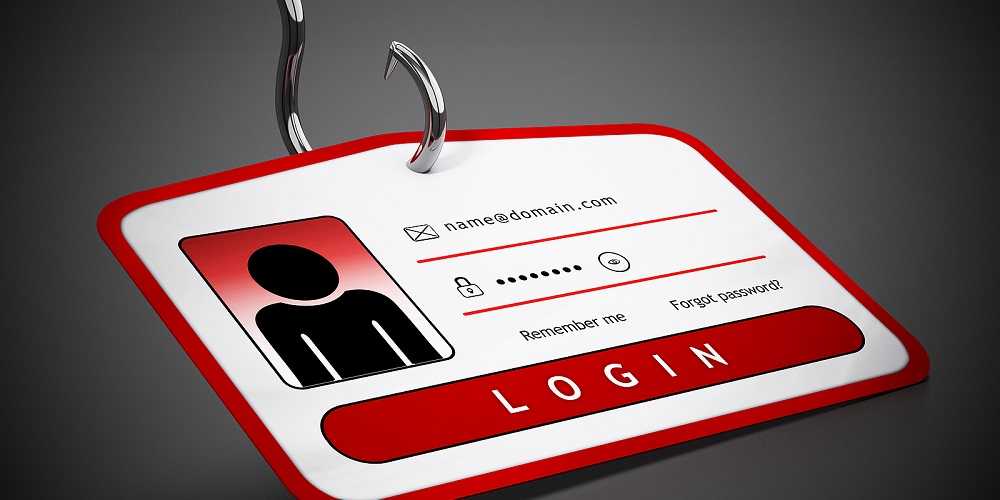
 Secure your email gateway. It is no surprise that most of the breaches that occur nowstart with email. Typically it’s a phishing attempt, including the more targeted versions of spear-phishing and whaling. Usually a message is sent with a link or attachment that will spew all kinds of doom if it’s clicked or opened. Therefore, make sure you have some sort of protection to prevent as much of this as possible. It can be an appliance, a cloud solution, or whatever your security strategy and budget will allow.
- Use a DNS protection tool. Every time a user clicks a link, it must go through a DNS server. Using this gives an extra layer of safety and a relatively low cost.
- Implement endpoint protection. This could be multi-factor authentication tools, anti-malware software, or VPNs for those who work remotely.
- Pay attention to user behavior. Use analytics tools and watch for trends. If something is out of the ordinary, you can react to it faster. For example, if Bob was downloading ten files per day, but suddenly you notice it jumped to a hundred or even a thousand, take a closer look. It could be a very busy day for Bob, but it could be something nefarious.
 Train users and test their knowledge. It doesn’t do much good to train someone if you never really know if it works. Phishing is the primary way, by a long shot, that malware enters a network, so make sure your users are trained on what it is, what it can do, and how to identify and avoid succumbing to it.
- Finally, ensure good policies and a security strategy with a response plan in place. Review it and update it at least annually. Don’t forget to enforce the policies for everyone that connects to your network.
Ultimately you can never be 100% safe, but the more you know, the more good security practices that are implemented, and the more your users know, the less risk to the organization.
For banks and credit unions
Share this article with your members
Copy a ready-made summary and link for your newsletter, website or social posts.