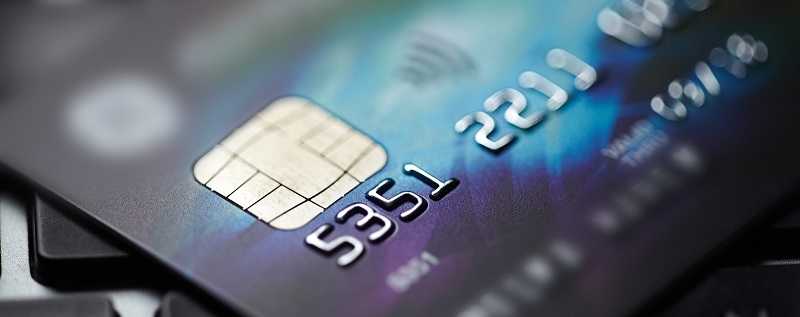
When those EMV chip cards came out, there was a lot of talk about how much more difficult it would be for cyber thieves to get their grubby paws on our payment card information. However, they are a crafty bunch and there is now a scam that may allow them to get to it after all. They even convince you to give it to them.
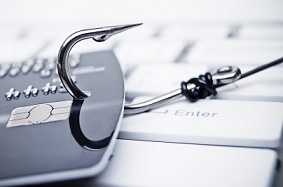 There is a time when we need a new card. That is when the window of opportunity opens. Usually, we get an email from our financial institution informing us that our card is about to expire and a new one is on the way. This is that window. The cyber thieves are sending out messages copying just that language in hopes that someone will fall for it. Inside the email is a link that redirects to a page where the victim is asked to “verify” the card information. Once that information is provided, the damage is done.
 To avoid this, always verify sensitive information directly in your online banking account. Don’t click links to do this, especially if you are not expecting to receive them. Even if you know the sender, it isn’t a guarantee of authenticity. The criminals are getting more astute at making phishing email messages look like they came from legitimate organizations, right down to the professional quality graphics.
The fraudsters have other tried and true ways to get your payment card information too. The telephone works. In fact, technical support scams are alive and kicking where they will call and inform you that you do indeed have an issue with your computer. They are calling to rescue you for a small fee that can be charged to your payment card on the spot. Don’t fall for that old line either.
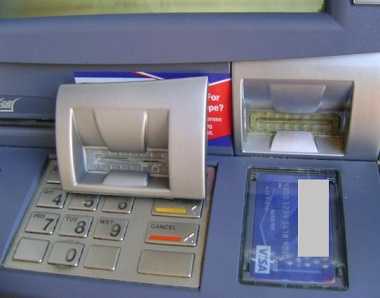 Card skimmers are another method for getting the information. These are often attached to ATMs and may protrude from the card slot a little bit. They scan the cards and collect the information after you enter your PIN; which is also captured. Be aware of these scams and always use ATMs in highly visible locations and that are well lit (on which are harder for these scammers to install devices undetected). Also, take a quick look at the slot where you insert your card and if anything looks amiss or unsecured, don’t use that machine and report it to the financial institution.
There have been warnings about RFID skimming apps. They may allow someone to swipe the data off cards that contain RFID enabled chips. While this near-field technology was used in a very limited manner for payment cards in the past, they are no longer the norm. However, this is still used for documents with sensitive data such as passports and building access cards. These apps can steal the information from cards when you are within a scanning distance of someone who has one of the scamming apps. You can use inexpensive RFID protective wallets and card covers to avoid this.
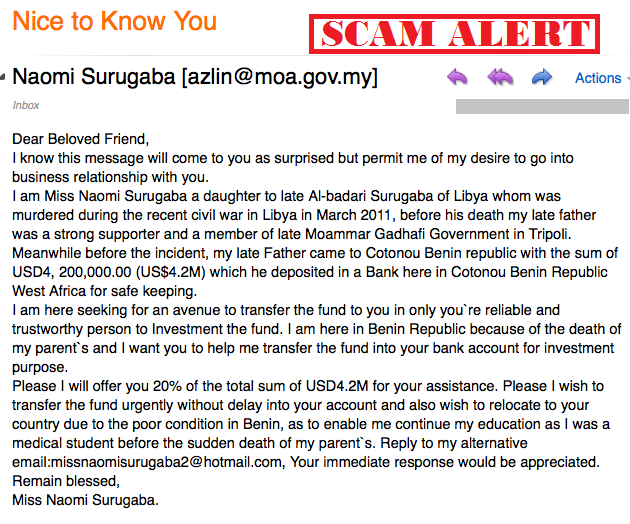
And don’t forget the Nigerian Prince-type scams. These can be found in email communication as well as via the phone. If you receive a call stating a Nigerian prince needs your financial help or there will be “trouble in River City,” or that relative is hurt and needs money to pay medical bills, you should verify those too. Yes, you may think that it is disrespectful to doubt a stranger who is calling on your injured uncle’s behalf, but these scams happen. A simple return call to a number you have on file can prevent you from giving away your card information to a scammer.
For banks and credit unions
Share this article with your members
Copy a ready-made summary and link for your newsletter, website or social posts.