

Non-profit organizations are increasingly becoming the targets of cyberattacks. A report released by Google found that they are the most targeted industry for malware attacks and recently, an organization that raises money for two Canadian hospitals was used in scam.
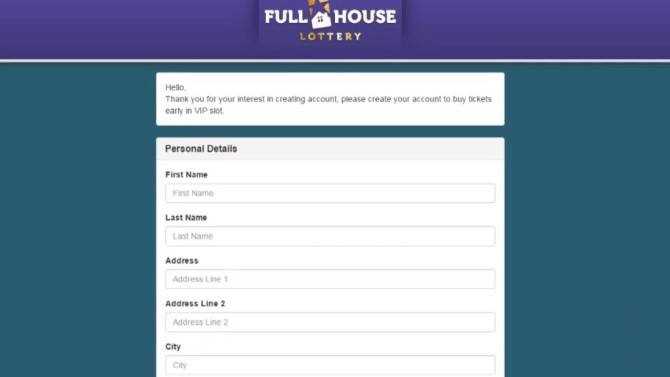
Full House Lottery posted to its Facebook site that someone apparently got ahold of its email list and sent spam to those on the list offering VIP tickets to something. A form appeared requesting personal information such as addresses, dates of birth, and passwords, as well as credit card numbers.
The company immediately responded to this scam as soon as they found out and had the website shut down. However, it’s a reminder that no type or size of company is immune to cyberattacks. Increasingly, non-profits, schools, and small businesses are targeted and unfortunately a lot of victims are being accumulated along the way.
Any email messages with links or attachments that arrive unexpectedly should be met with considerable suspicion. If it’s too irresistible not to click, just take a bit of extra time and confirm that the sender really did intend to send it first. Do this by calling on the phone, sending a separate email message, texting, or simply walking to his or her desk or physical location.
 Beware of scams on social media. While this one was initiated by email, it’s simple to create a fake Facebook page, for example, and perpetrate a scam. Often these sites appear after natural disasters, a big event such as the Olympics, or upon big news of a star or icon. A Facebook scam was created after the death of Robin Williams using a fake BBC website. It asked for details to be entered into a form before a “farewell video” could be viewed. Of course there was no video, but the scammers got away with a lot of personal information of the victims.
While companies are continuing to develop tools to help prevent phishing, it’s difficult to detect them all. This is due to the volume of phishing attacks as well as to the increased sophistication of them. In addition, they are always changing specifically to avoid detection.
Full House Lottery has made it clear that it does not store credit card information of its donors, nor does it share information with anyone other than the hospital organizations it supports. It also has turned over information to authorities that are investigating the theft of its email list.
For banks and credit unions
Share this article with your members
Copy a ready-made summary and link for your newsletter, website or social posts.




