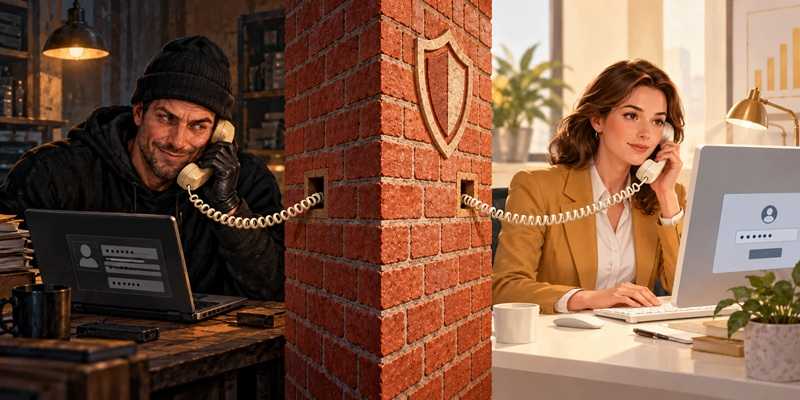
Americans are risk takers. Digital risk takers, that is. That’s what a survey by OpenPoll found when it asked 2,000 Americans about their digital behaviors. This information provides us with an opportunity to review the risks and general guidelines to help you “buckle up for safety” when taking off on the digital highway.
 Digital risks are those actions we do that put our information at risk, such as our passwords, account information, social security numbers, etc.
- Risk: Using the same passwords across multiple sites
- Guideline: Each site should have a unique password to prevent password reuse scenarios from being successful.
- Risk: Not creating passwords that are strong enough
- Guideline: Passwords should contain at least eight characters and include upper and lower case letters, at least one number, and at least one special character and should be changed often, but especially immediately after a breach of a site you use.
- Risk: Clicking on links and attachments in email messages from senders who are unknown or that are unexpected.
- Guideline: If you don’t know the sender, there is no reason to open a link or attachment. Additionally, if you are not expecting anything from the sender, always follow up separately from any email messages before clicking these to make sure they are legitimate.
- Risk: Sending sensitive information via unsecured email
- Guideline: Email is generally not a secure way to send sensitive information. Always consider everything sent in email as open to public access.
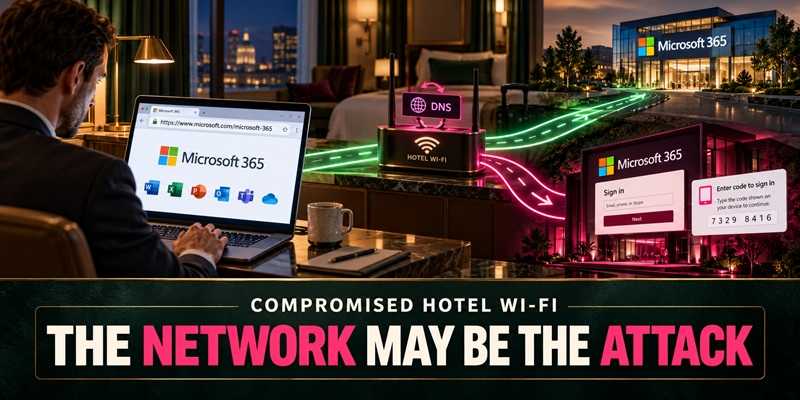
- Risk: Using free and unsecured public WiFi to log into important accounts such as your financial institution
- Guideline: Never use free public WiFi for sensitive activities online. This includes banking, checking investments, reviewing healthcare accounts, etc. Even if there is a password, it should not be considered secure. Do these tasks from home WiFi or using your mobile device’s cellular data if you just cannot wait.
 A separate OnePoll survey found that 37.2% of adults performed banking functions online using free and unsecure WiFi during the first half of 2016. Hackers often lurk in corners of places with free and unsecure WiFi and steal information as it crosses through to your destination.
OnePoll found that the biggest risk takers are also the group that may be the most familiar with our modern technology: Millennials. Forty-five percent of them reuse their passwords on multiple sites and 30% rarely, if even change them.
However, it’s never too late to start good behaviors. Besides abiding by the guidelines above, always make sure security software is installed on all devices, that it’s kept up-to-date, and that you do backups regularly of all your important data. Consider these your safety check before merging onto the super Internet highway.
For banks and credit unions
Share this article with your members
Copy a ready-made summary and link for your newsletter, website or social posts.