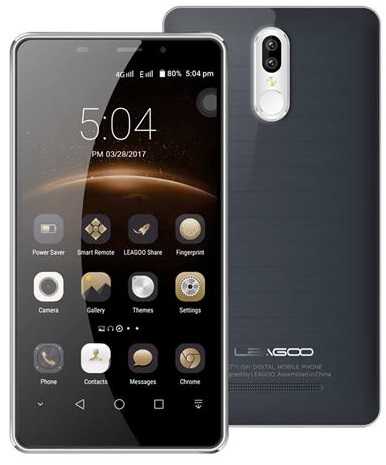
It isn’t the first time and is likely not to be the last time that there is an issue with malware making its way onto smartphones before they even make it out of production. In this case, the destructive Triada malware was found pre-installed on low cost Android phones including some, but not all Leagoo and Nomu models. This is the indicator of a supply chain intrusion rather than a rampant spread of malware after it makes it to consumers.
 It’s very difficult to determine if a device is pre-infected when it’s out of the box. However, the best advice is to do plenty of research on products you buy that can become infected before making the purchase. Read reviews, both from users and professional reviewers on the devices and perhaps avoid being an early-adopter on new products that are significantly important to your daily life; such as a smartphone if it plays that role for you.
In addition, make sure you update your new devices as soon as you get them. Often, they sit on a shelf for a while and updates are released before it even makes it to consumers’ hands.
 Triada was originally designed to infect the core of the device giving total control to the hackers, with a focus on stealing online banking credentials. However, it evolved over time, which happens often with malware. It can now steal just about everything off the device, including browser history, and it can download and install malware and potentially unwanted apps using the malvertising strategy. Malvertising is using online ads as bait that are infected with some type of malware.
In December, a similar supply chain incident happened with the Bold Like Us (BLU) smartphones. In that case, the designers had a patch out very quickly. It’s unclear if a fix will be released for this one.
For banks and credit unions
Share this article with your members
Copy a ready-made summary and link for your newsletter, website or social posts.