
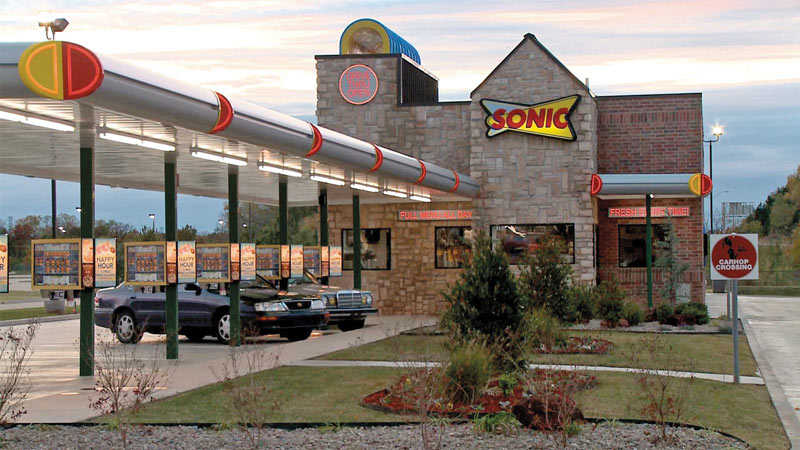
Those who enjoy a tasty beverage or meal at the taprooms or full-service restaurants located inside some Whole Foods stores may have had payment card details stolen. And those people are not alone. Intruders also invaded the payment systems at Sonic restaurants resulting in theft of information of around five million hungry patrons. Every day another data breach causes a slew of payment card numbers to be stolen and potentially used for fraud. With all the information and regulation in place surrounding payment cards, it’s perplexing as to why these breaches keep happening.
 One explanation could be the impatience of the buyer. Think about how frustrating it is when the cashier asks to see your card to compare your signature to the one on the card; and you’re in a hurry. Or when it takes a few extra seconds for the chip to be read in the recently implemented chip reader systems. From the retailer’s point of view, those seconds are valuable too. Time is money and at the end of the day, they add up.
In addition, transitioning to the chip card system is not free. It costs money and time. On top of that, there simply are not enough technically experienced personnel available to make this change with the efficiency and effectiveness all parties desire.
Another possible explanation is the lack of knowledge from developers designing the systems. It’s complicated enough just to write the software. Making the systems secure adds yet another layer of complexity to the process that doesn’t always work out the first time.
 None of these are an excuse, but they are all explanations. While it is difficult to keep your information completely safe, there are some steps you can take to prevent or limit the misuse of your payment cards:
- Check your statements frequently and report suspicious charges to the card issuer immediately. The longer you wait, the more difficult and time-consuming it will be to resolve.
- Activate charge alerts in your accounts. Most, if not all issuers allow this to be done these days. For example, have a notification sent if an amount over a particular limit is charged to your account. Then you can react to it immediately.
- If it’s reasonable, consider using different cards for different groups of charges. For example, use one card for gas and groceries, and another for bill paying and travel. This will allow you to notice abnormal charges at a glance and will raise a red flag with your card issuer because it is outside of your behavioral patterns.
It’s unknown how many were affected in either the Whole Foods or Sonic instances. However, Sonic reported that only a “small portion” of its 3,600 stores across the U.S. were included. Investigations are ongoing in both organizations. In the meantime, those who used cards at these places should watch statements closely for at least the next year and report suspicious activity immediately.
For banks and credit unions
Share this article with your members
Copy a ready-made summary and link for your newsletter, website or social posts.