All we want for Christmas is our data to be safe, especially when we didn’t even authorize the collection of it in the first place. The data analytic company, Alteryx is the latest company to have data stored on a cloud-based repository leaked to the world. And it was no small number of victims either. So far, the number of affected victims is not individuals, but 120 million households. That’s because the information included 248 fields containing information on such as who owns a mortgage, financial histories, and even whether or not the household had a dog or cat.
 What was not included in the data sets were names. But that doesn’t mean much these days when the collection and collation of data is becoming part of the process of fraud and identity theft for cybercriminals. As more information trickles out to the Internet or is made available on the dark web, it can allow the criminals to build profiles and weaponize the data to be used against us. For example, with a street address the owners of a property can be found using public records. By putting together a few bits of information, it’s not much more effort to put together targeted phishing campaigns. And phishing remains the primary and most successful way that cybercriminals succeed.
 There isn’t a lot an individual can do once someone has our information, to keep it secure. What we can do is be smart about handling what information we receive. If an email arrives that is unsolicited, unexpected, or from an unknown sender, and contains a link or attachment, it should be met with considerable skepticism. Take a minute to call the sender or even send a text to confirm that he or she really did intend to send it and that it’s legitimate information.
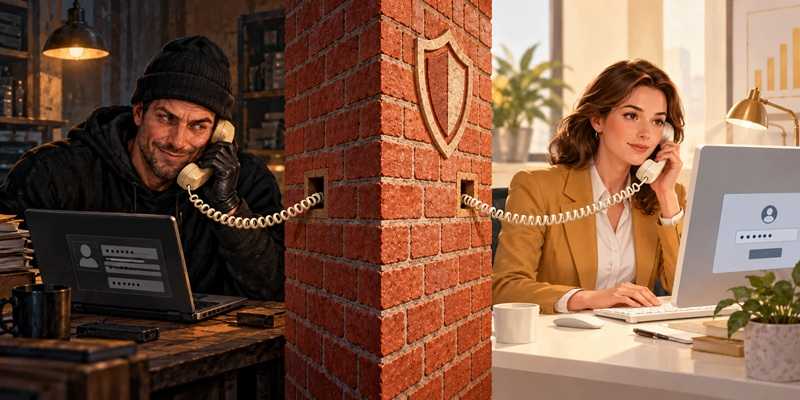
And don’t get caught up thinking that phishing only happens in email. It still happens using the telephone too. If someone calls asking for personal or sensitive information and you didn’t initiate the communication, don’t give out any details. This applies even if they appear to know a lot of information about you already. Instead, find a phone number online, call the company the caller claimed to be from, and verify the information. Remember that government agencies will never initiate conversation with you using the telephone. They will send a letter in the mail first.
Smishing is another up and coming method for phishing. That is when links or attachments, including images, are sent via text or SMS. Again, use the same checks before clicking anything. If it’s out of the blue, it could be malicious. Don’t give out any sensitive information when contacted this way.
 Even if the message is personalized, it doesn’t mean it’s not malicious. Remember, as information is gathered and folios are created, the cybercriminals have what they need to do some quality trickery. It’s important to verify everything independently before giving out information that can be used to steal our identities.
The company that discovered the leak, Upguard, reported it to Alteryx in October and it appears the data sets are from the credit reporting agency, Experian. It's important to note that this does not mean that Experian was breached. Fortunately, Alteryx has already secured the data. Unfortunately, it may be a little too late for some.
For banks and credit unions
Share this article with your members
Copy a ready-made summary and link for your newsletter, website or social posts.