Imagine this scenario. You just came home from work, with your car locked and alarmed right out front. Your car keys are on the kitchen counter. You glance outside just in time to see your car driving away. There’s no sign of a broken window or other forcible means used to break in. Lucky for you, police find the car abandoned not far away and with no sign of a break-in or hard wiring. It’s a head-scratcher, until you start Googling how this could happen. You find your car key was remotely accessed with “relay boxes” used to steal signals from your key.
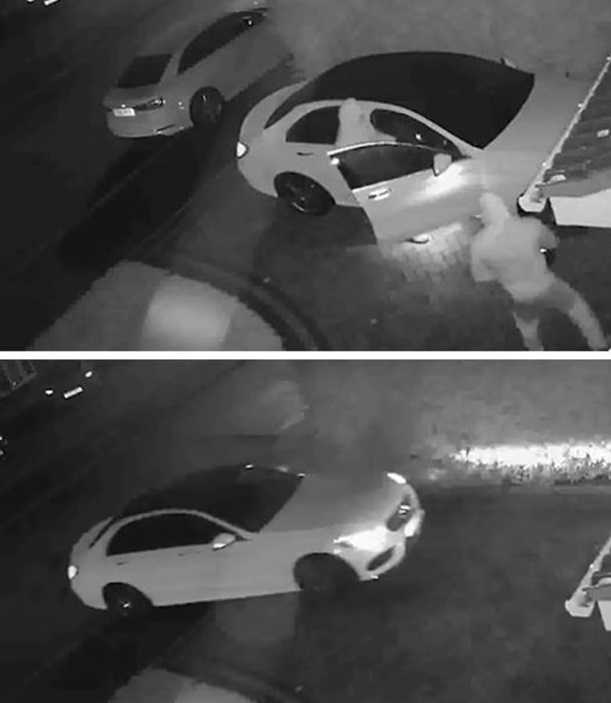 Remote or relay box, car hacking is not new, but like other types of hacking is gaining in popularity. In the U.S., General Motors and Ford have joined together to share insight and new technologies. They hope this effort will be effective at thwarting savvy car hackers. However, car companies are now circling back to realize that for now, some “old school” low-tech precautions may be the way to go for now. Go through the garage and dust off that old “CLUB.” It may not be pretty, but it keeps the steering wheel from being turned. The other suggestion is keeping your car keys in the freezer. Remote hackers can’t penetrate a freezer (or other metal box) or the keys inside, thwarting the relay box attempts to hack-start the car.
Cars with keyless entry are big part of the problem. Ironically, what car companies first created as a theft-proof entry system is now providing car thieves with easy and inexpensive access. For as little as a $17.99, car hackers are on the road to success. With no signs of damaged locks or shattered glass, it’s a seamless and clean crime. Adding to insult is the realization that car companies are always one step behind. As car electronics continue being more sophisticated, so are the hackers.
Whether they’re just feet or hundreds of miles away, car hackers have the same easy access to the very same car. Websites, blogs, YouTube videos and Def Con, one of the world’s largest hacking conferences, are just a few ways car hackers learn the latest technology. Chrysler released a statement criticizing the easy access of “how-to” information. Unfortunately, it’s an ineffectual response, not likely to make an impact on the future of auto security. Out of necessity, other car companies are beginning to get on board. Not knowing what it takes to keep car hackers from continued success, it may take an all-out collaborative effort between all car manufacturers. Keeping cars from being remotely hacked is a growing concern for a growing crime.
For banks and credit unions
Share this article with your members
Copy a ready-made summary and link for your newsletter, website or social posts.