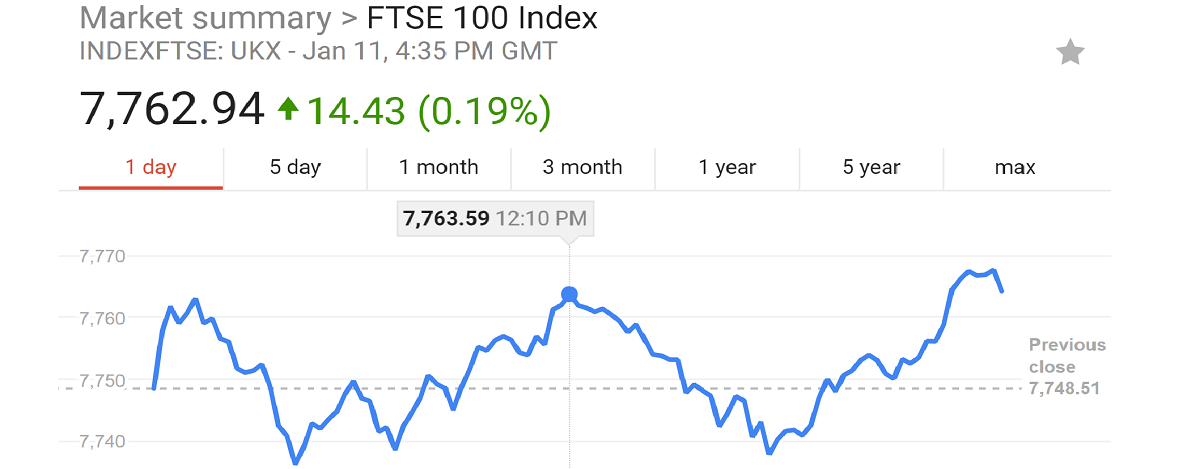
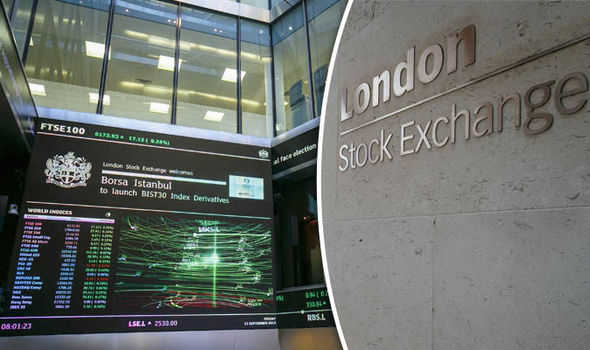
Cyber security for the Financial Times Stock Exchange (FTSE) top 100 companies in the UK is on very shaky grounds. A study by Anomali, a cyber threat intelligence platform for companies, reveals shocking data for the FTSE 100. It’s safe to say if it’s happening in the UK, it’s very likely happening in the U.S. and other countries. According to their report, 77% of the FTSE 100 corporations are vulnerable to cyber-attacks. Apparently, FTSE corporate logins and passwords are out there on the Dark Web just waiting to be plucked by cybercriminals. Imagine the same information for NYSE companies available on the Dark Web for precious little effort. It’s very feasible that it’s going on as you read this.
 The Anomali findings also show that the number of exposed log-ins on the Dark Web has tripled since last year, from 5,275 to 16,583. Between just April and July of this year, 218 user names and passwords are available for each FTSE 100 company affected. It’s prime phishing out there, as well as vulnerability to ransomware, malware, and other cybercrimes that can bring a company to its knees. In the U.S. we’ve seen countless companies admitting hacks. And those are just the attacks that have been publicized.
At the heart of the matter is casual use of the Internet by employees at work and working from one’s home computer. It’s a problem known worldwide. Using simple passwords and reusing them for other logins and not using other security steps is adding up. Surfing on a work computer for personal use and putting one’s information into retail and other sites makes the security system in place incredibly vulnerable.
 When it comes to departures, companies also need to keep ahead of employees who are leaving, by choice or not. Many businesses large and small fail to delete former employee access to their systems. It can take weeks or months to purge their access. That leaves a lot of time for disgruntled employees to do damage to their former employer.
The solution is easily available, but most companies drag their feet keeping up with the latest security software and employee online security education. Most businesses deal with hacks after they happen, and only then take steps to boost safeguards. All too often we find out about cyber hacks months after they take place. Now we know that financial markets are as vulnerable as any other entity out there in cyber space. When companies leave their “secure” information flapping in the breeze, the Dark Web is only too happy to take note.
For banks and credit unions
Share this article with your members
Copy a ready-made summary and link for your newsletter, website or social posts.