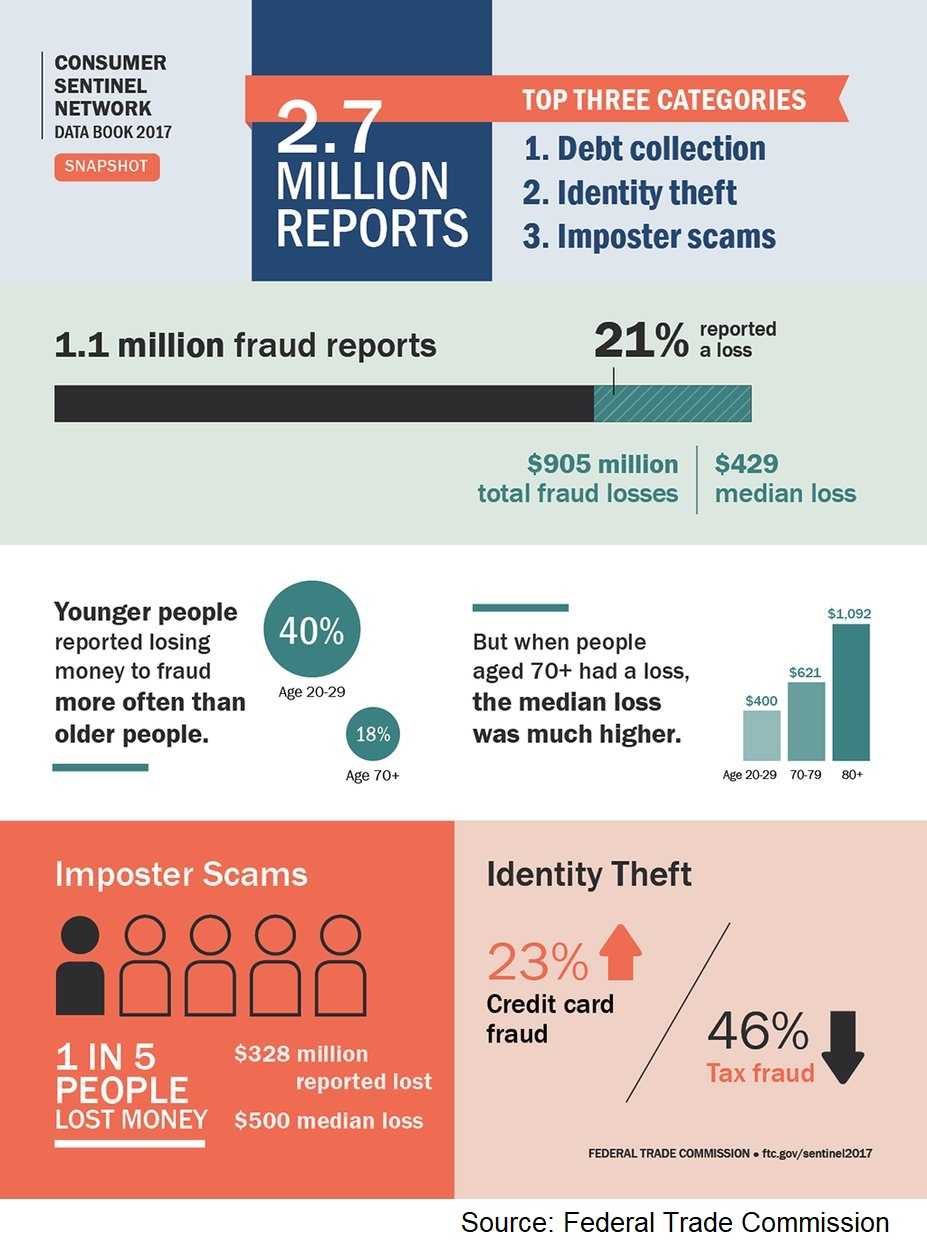
As tech savvy as the millennial generation is, it may surprise you that they are not all that cybersecurity savvy when it comes to fraud. A recent report from the Federal Trade Commission (FTC) has found that those in the age group between 20-29 reported being victims of fraud more than those in other age groups. Surprising, indeed.
Those in their twenties are doing well when it comes to figuring out ways to make money using the Internet. However, according to the report, more than 71,000 fraud incidents were reported within the last year. The dollar figure taken from them was close to $61 million.
But don’t believe for a second that it’s only the youngsters that were victims. Those over the age of 70 lost more money overall than the whippersnappers. The median loss for those between 70 and 79 was $621 and for those over 80 lost $1,092. The Millennials can brag about only being taken for a median of $400.
How did they lose the money? Well, it was payment card fraud. The FTC noted that the figure for this increased by 20% over the previous year.
So, for everyone out there, there are few ways to protect your payment card information:
 Of course, always keep it tucked away and out of plain sight. When using it, put it away as soon as you’re finished.
- Don’t give the information verbally when others are around. Wait until you can go to a place where it’s less likely others may hear you rattling off numbers and expiration dates.
- When at a point of sale system, use the “credit” option over the “debit” one. Using it this way will provide more protections against fraud, but also protects you against someone re-creating your card and using it at an ATM to withdraw your cash.
- Monitor payment card charges frequently and report suspicious activity right away by calling the number on the back of the card or by using contact information from the issuer’s website.
- Be aware that fraudsters can be tricky and email links or attachments that ask for payment card information that is so realistic, it can fool even the most cybersecurity savvy.
Protecting your payment card information not only helps you directly, but also helps keep costs down for your financial institution. And that is always a good thing.
For banks and credit unions
Share this article with your members
Copy a ready-made summary and link for your newsletter, website or social posts.