As we’re all anxiously awaiting the arrival of the financial assistance from the federal government, there are also a whole bunch of people who would like to scam us out of that money. In light of that, here is a quick overview of how to prevent them from getting ahold of our “stimulus checks.”
 Let’s talk the talk
While we’re on the topic, let’s talk about verbiage. While it is so very often called a “stimulus check” or “stimulus payment,” technically, it is called the “economic impact payment.” If you get a phone call, text, or email calling it a “stimulus” payment, consider the person on the other end a scammer and hang up. Don’t bother to explain yourself. It’s OK to offend that person by hanging up immediately.
2
The IRS will not initiate communication with anyone via email, a phone call, or in a text. This is the case at any time of the year, for any reason. If they need to reach you, it’ll come in the mail. After all, they’re pretty busy right now and don’t have a lot of time to make phone calls and send texts. If you receive anything other than an official letter asking for information related to your payment, it’s most likely a scammer.
2
You get a receipt for your payment. After the money is sent, regardless of method, you’ll get a paper receipt. It will arrive approximately 15 days later in the U.S. Mail confirming it’s been made. If you didn’t get it, that’s when you call the IRS using a phone number off the official website. There are instances of mail being stolen along with various scams, so follow up if you get that letter before you see the check or deposit.
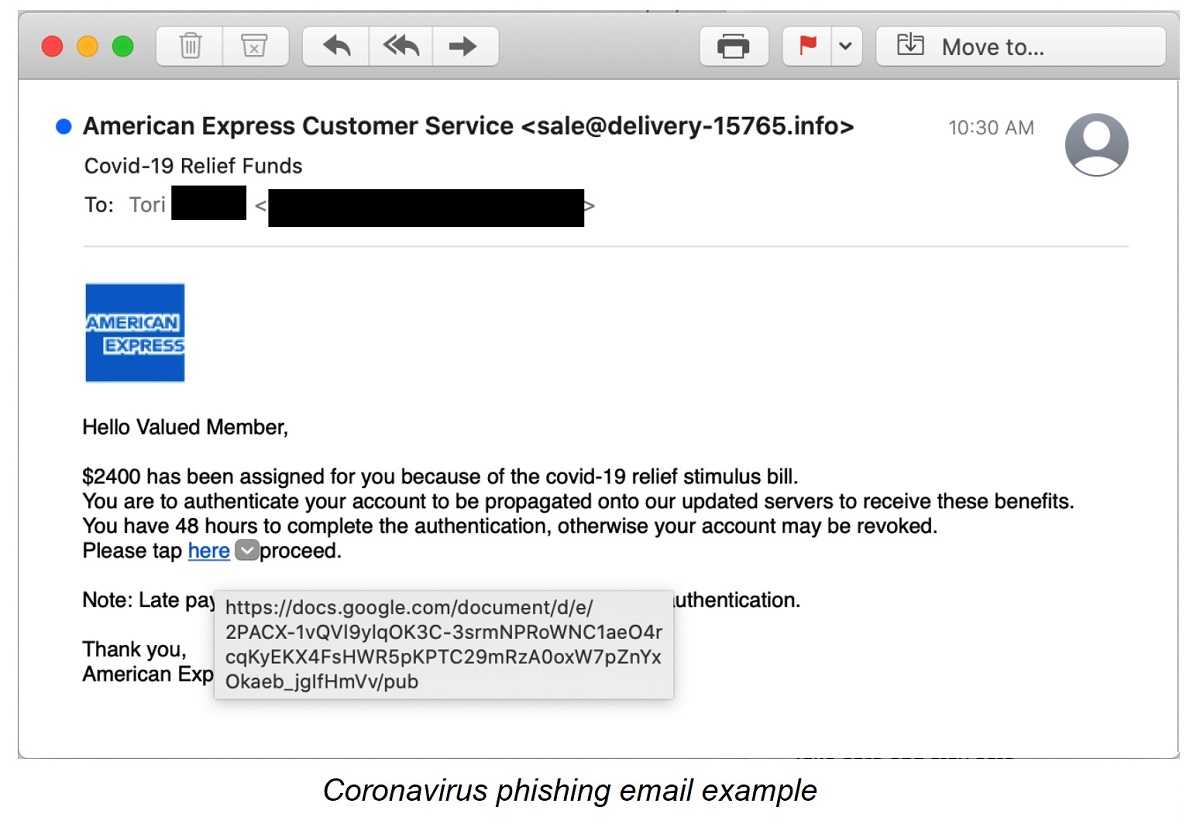
Scammers have been identified claiming they can help you get your payment faster if you just send them your personal information. Don’t believe it. They cannot. Fortunately, there is a lot of related information on the very first page of the official IRS[.]gov website related to this payment. If you need to enter your direct deposit information, do it there. If you need to find out the status of your economic impact payment, you can check it there. Whatever information you are looking for, don’t expect to find it from someone calling, texting, or emailing you if you didn’t initiate it.
Finally, if you do get a suspicious phone call, email, or text, contact the Federal Trade Commission (FTC) and report it. There is a complaint page right on the front page of the FTC website, at time of writing. And whatever you do, should you receive an unexpected email, text, or phone call related to the economic impact payment, don’t click any links or attachments that may be included.
For banks and credit unions
Share this article with your members
Copy a ready-made summary and link for your newsletter, website or social posts.