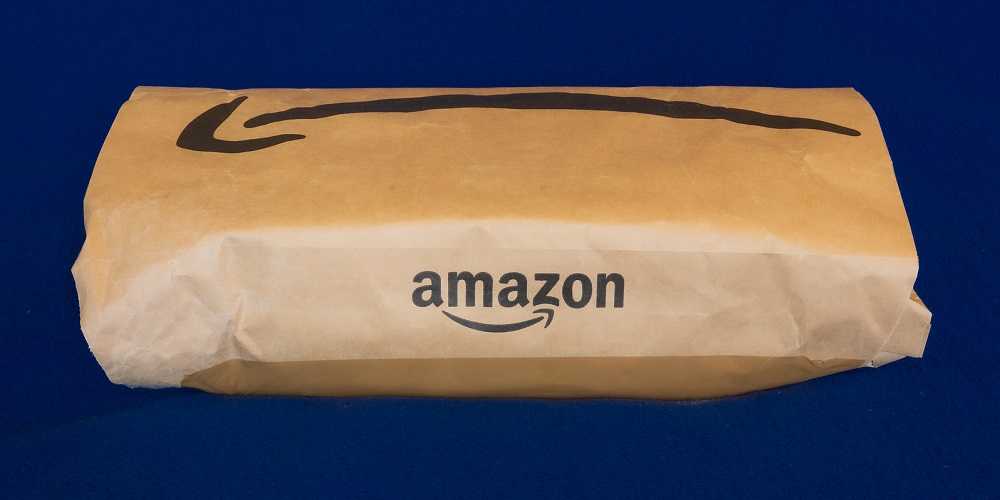
Open your front door and there they are, boxes from Amazon you weren’t expecting. The thought of getting free stuff might give you a giggle, but the truth is, the last laugh could be at your expense. That’s because you’ve just been pulled into a “brushing” scam using you and Amazon to work. Brushing scams are happening more often than ever before, and a closer look at them shows how free stuff could end up costing you.
Brushing scams exist to artificially boost sales numbers for online products. The brushing scammers are usually foreign companies and third-party sellers looking to make their goods appear much more popular and legitimate than they are. If you find yourself the target of a brushing scam, it means the scammer already has enough of your PII to involve you.
Those freebies are just the beginning of a brushing scam. The free products are known to be an odd mix of stuff ranging from flashlights to ping pong balls – things you know you didn’t order from Amazon. The boxes are always light and inexpensive to ship and have no return address identifying the sender.
These brushing scams are designed to convince Amazon the product was delivered, meaning it must also have been purchased. This is where this scam kicks into high gear. A brushing scammer uses you as a glowing and verified product reviewer. The fake review improves product ratings which in turn boost sales – the scammer’s goal. And while it doesn't necessarily affect you financially, it could hit your Amazon purchaser reputation.
2
 Log in and check your Amazon account for oddities like bogus reviews and orders you had nothing to do with. Alert Amazon Customer Service immediately so they can take action against the brushing scammer and put your account back in good standing. Also, change your password to keep scammers out. Always use 2FA (two-factor-authentication) whenever possible. It adds an extra layer of identity verification that can keep bad actors out of your accounts.
Remember to limit what you share on social media or that can be accessed freely via the Internet. If you don't need to put it there, consider not doing so.
Keeping in mind the old saying “Nothing in life is free” comes in handy should “free stuff” land on your doorstep next.
For banks and credit unions
Share this article with your members
Copy a ready-made summary and link for your newsletter, website or social posts.