As Americans prepare for cookouts, fireworks, and long weekend getaways, scammers are preparing for something else: a busy holiday weekend filled with potential victims.
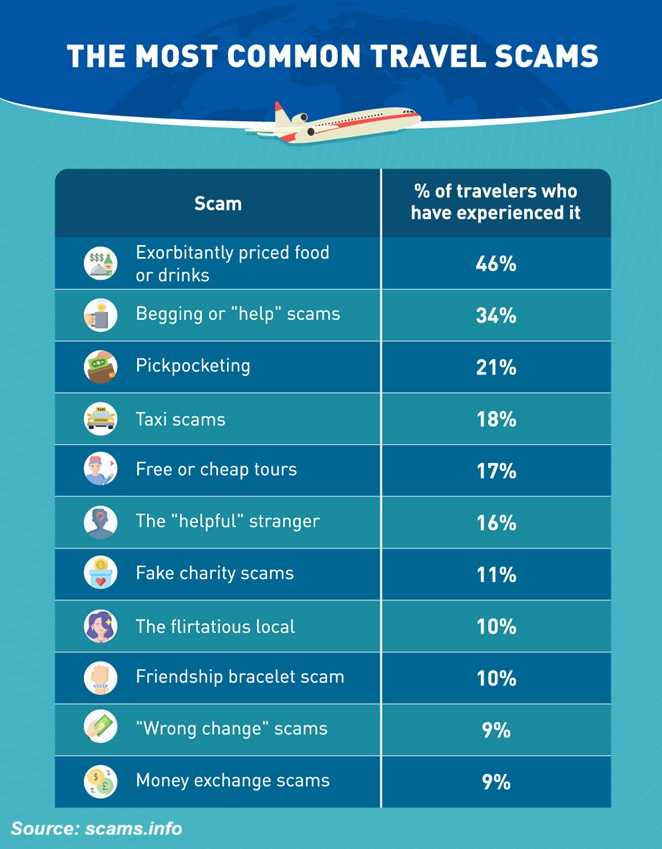
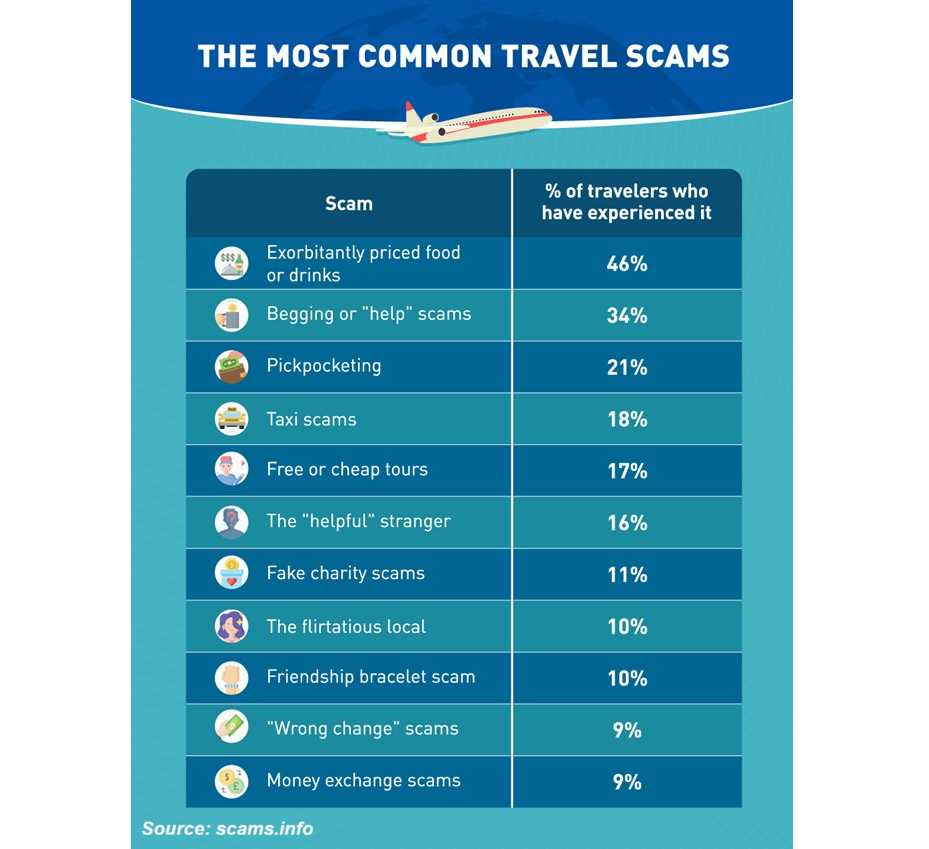
Who doesn’t like to travel over long weekends? Well, one of the most common July 4 scams involves fake travel deals. Criminals create convincing websites or social media advertisements offering deeply discounted hotel stays, vacation rentals, or airfare. Victims often prepay for these deals only to discover the reservation never existed. Similar scams popped up en masse recently involving travel websites. Victims got messages claiming they need to re-confirm their reservations by entering in their payment details. Sadly, they entered them into scammers’ websites.
And the shopping! Just on the heels of Amazon Prime Day deals, online shopping scams also tend to spike around holiday sales; and July 4 is no exception. Fraudsters advertise steep discounts on popular products, collect payment, and either ship counterfeit items or nothing at all. Some websites disappear entirely after collecting customer information.
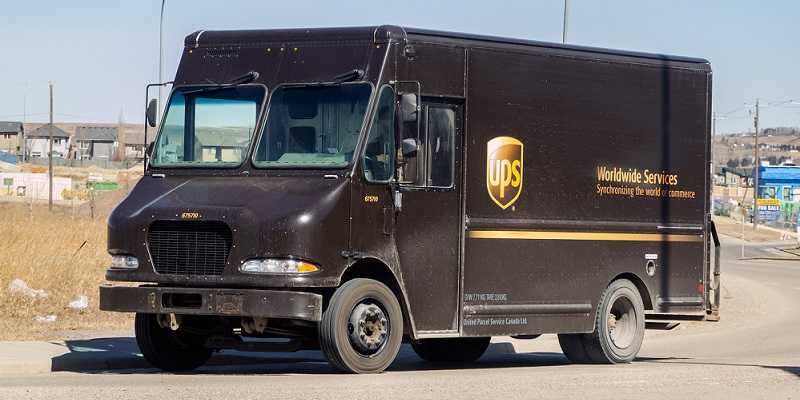
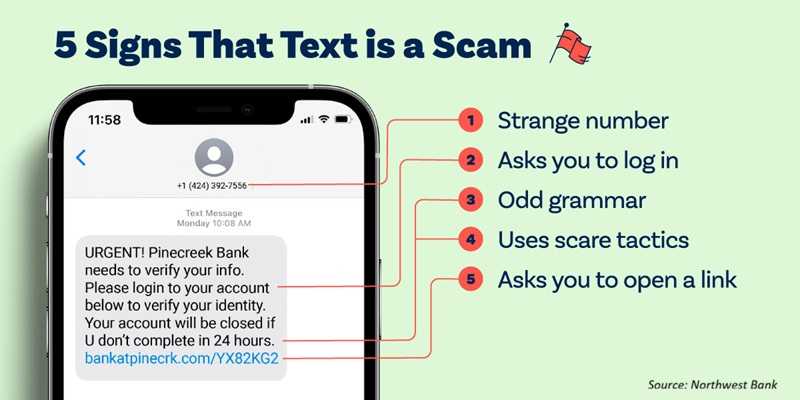
We see that Amazon delivery truck all the time. In some cases, multiples times a day down our streets. Well, it’s not the only delivery company to be used in scams; they're all fair game. Package delivery scams remain a year-round threat, but often these increase during holiday shopping periods. Victims receive text messages claiming there is a problem with a shipment and are urged to click a link to update payment or delivery details. The links typically lead to credential theft or financial fraud. A common one is a text claiming a package could not be delivered by USPS and the recipient needs to click to confirm details. More people get caught out by this than you’d think.
Event ticket scams are another concern and this year, it’s not only July 4, but a FIFA World Cup frenzy! Fraudulent sellers advertise tickets for games, merchandise sales, fireworks displays, concerts, and holiday events, often through social media marketplaces. Buyers may receive fake tickets or none at all.
To avoid becoming a victim, purchase travel arrangements, event tickets, and merchandise only through reputable companies. Consider going in-person (gasp) and buying your World Cup Merchandise from a small local business. Be cautious of deals that seem unusually cheap, especially when sellers pressure you to act quickly. Avoid clicking links in unsolicited texts or emails and verify delivery issues directly with the shipping company. Use credit cards when possible, as they often provide stronger fraud protections than debit cards or payment apps.
A little caution can help ensure your Fourth of July memories involve fireworks in the sky, not financial headaches afterward.

 SUBSCRIBE TO WEEKLY NEWSLETTER