Cyber Thieves Stuff Some Chiken With Your Credentials
By: Jim Stickley and Tina Davis
August 24, 2026
If you have a Chick-fil-A One account, now is a good time to change your password, especially if you use that same password anywhere else.
Chick-fil-A recently confirmed that some customer loyalty accounts were accessed during what security experts call a "credential stuffing" attack. Unlike a traditional data breach, attackers did not break into Chick-fil-A's computer systems. Instead, they used usernames and passwords that had already been stolen in previous breaches involving other companies.
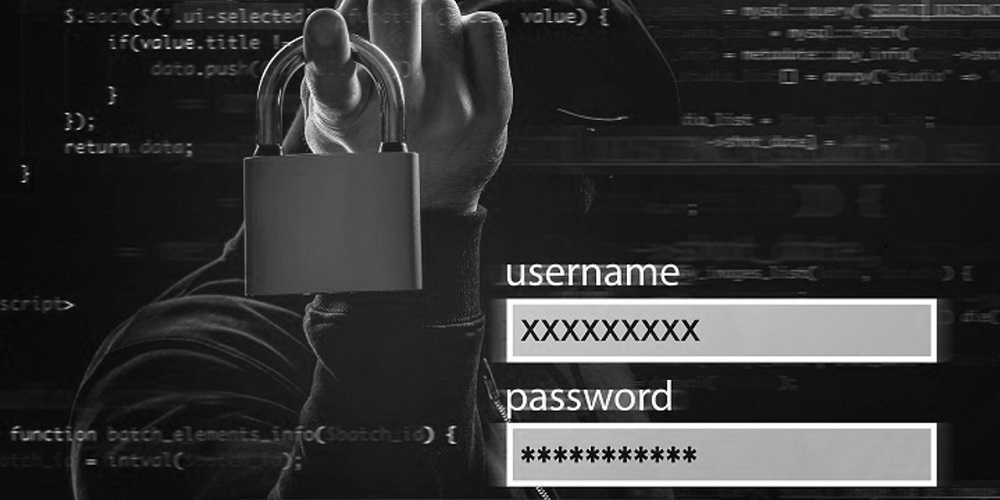
Cybercriminals use automated software to test millions of stolen username and password combinations against popular websites. If someone reused the same login credentials for multiple accounts, the attackers may gain access without ever needing to guess the password.
 For affected Chick-fil-A One accounts, attackers may have been able to view personal information associated with the account and, in some cases, redeem accumulated rewards. Don’t let them get your free sammy.
Chick-fil-A has taken steps to secure affected accounts and encouraged customers to update their passwords.
While the attack focused on loyalty accounts, the lesson applies far beyond Chick-fil-A. Credential stuffing has become one of the most common cyberattacks because millions of people continue to reuse passwords across multiple websites.
Fortunately, protecting yourself is straightforward.
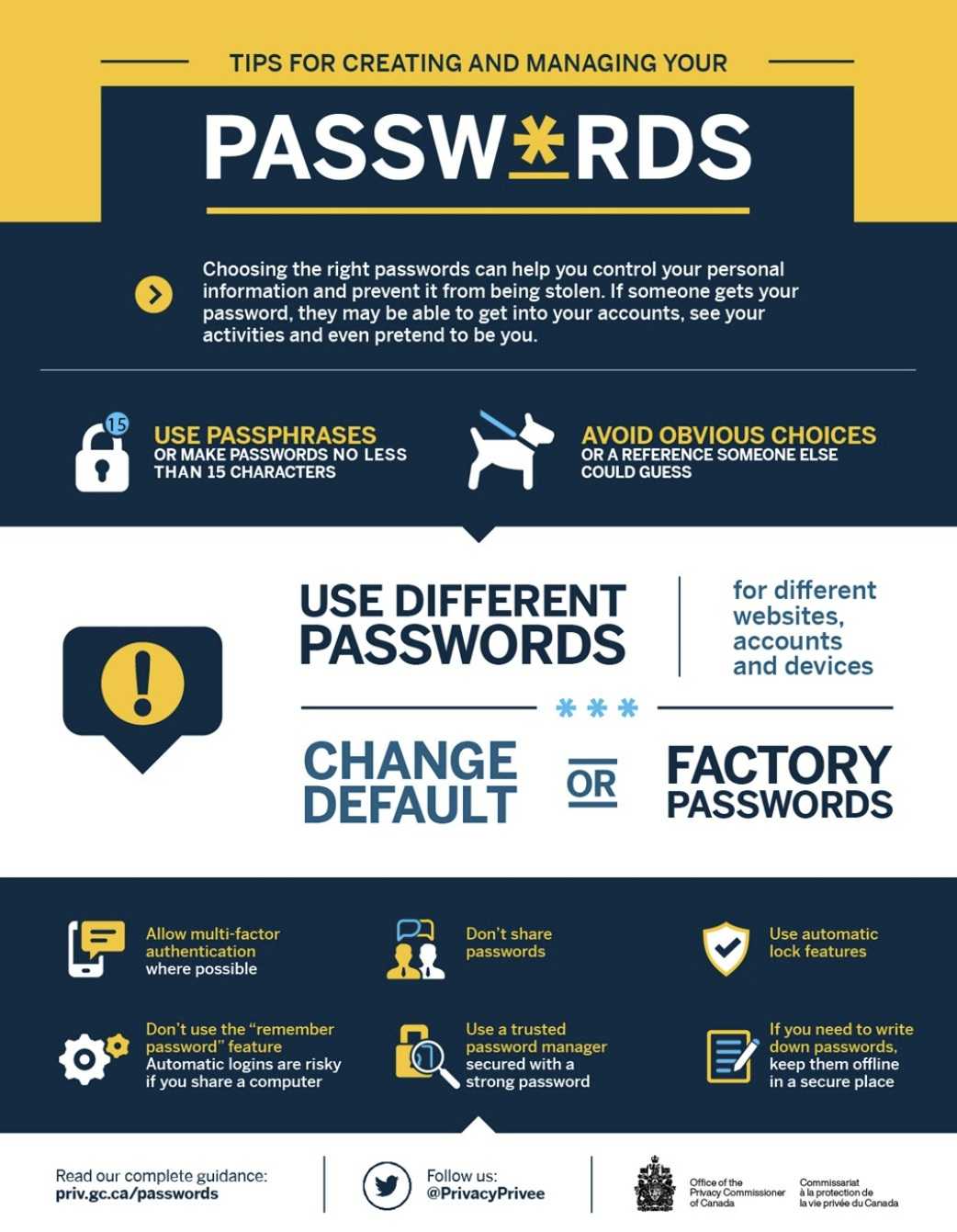
How to protect your online accounts:
- Use a unique password for every website and app.
- Enable multi-factor authentication (MFA) whenever it is available.
- Find a way to remember your passwords. Use clues to trigger your memory or create a base password and add characters from the website to make every one unique. Consider using a password manager to create and store strong, unique passwords if those options don’t work for you.
- Monitor your accounts for unfamiliar activity or unauthorized purchases. Take action if you notice something.
- If any company notifies you of suspicious activity, change your password immediately, especially if it is used elsewhere.
Cybercriminals are constantly looking for the easiest way into online accounts, and reused passwords remain one of their favorite targets. Spending a few minutes updating your passwords today could prevent much bigger problems tomorrow.
The Chick-fil-A incident is another reminder that even if your favorite restaurant, retailer, or airline has not been hacked, your account can still be at risk if you recycle passwords across the internet.

 SUBSCRIBE TO WEEKLY NEWSLETTER