Most people assume cybercriminals rob financial institutions (FI) the old-fashioned way by trying to steal money. Today, many attackers have a different goal: To lock up that FI’s computer systems and demand millions of dollars to restore them.
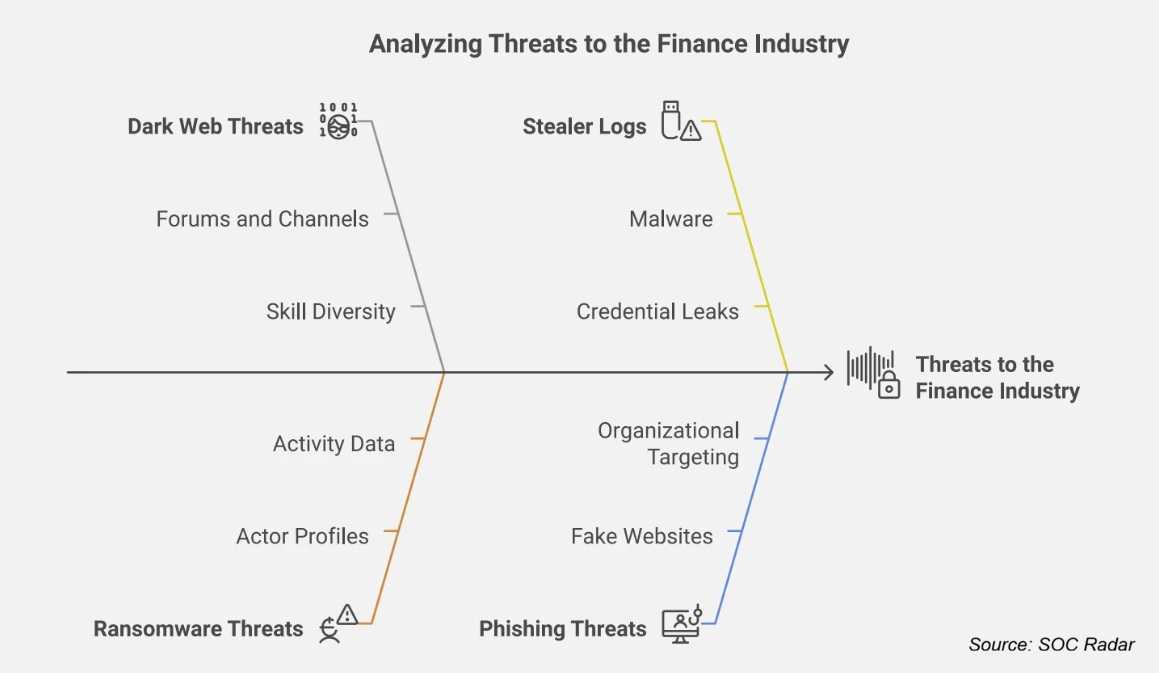
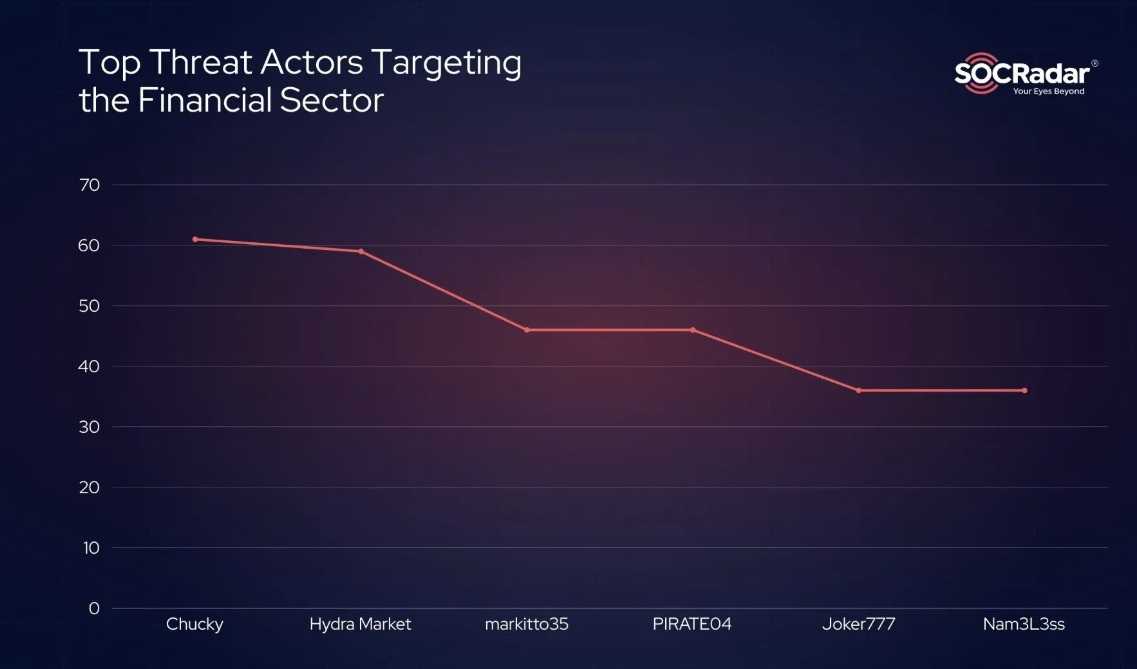
According to recent cybersecurity reports, ransomware groups continue to target banks, credit unions, and financial technology (fintech) companies at an alarming pace. Researchers found that the financial services industry remains one of the most attractive targets because these organizations manage enormous amounts of sensitive customer information and often cannot afford prolonged service disruptions.
Modern ransomware attacks are about much more than encrypting files. Criminal groups frequently steal customer and business data before locking systems, giving them two ways to pressure organizations. If the victim refuses to pay, the attackers may threaten to publish the stolen information online.
Fortunately, most banks have extensive cybersecurity defenses, backup systems, and incident response plans designed to protect customer funds. In many cases, deposits remain secure even if internal systems are temporarily disrupted.
That doesn't mean customers are unaffected.
When financial institutions experience a cyberattack, customers may encounter delays accessing online banking, interruptions to mobile apps, slower customer service, or temporary outages affecting bill payments and money transfers. Criminals also take advantage of these incidents by sending convincing phishing emails and text messages claiming to be from the affected bank. These fake messages often urge customers to "verify" their accounts or click a link to restore access, when the real goal is to steal login credentials.
If you hear that your bank has experienced a cybersecurity incident, don't click links in unsolicited emails or text messages. Instead, visit the bank's official website by typing the address into your browser or use the institution's official mobile app. Monitor your accounts for unauthorized transactions and report suspicious activity immediately.
Cyberattacks against financial institutions are unlikely to disappear anytime soon. As ransomware groups become more sophisticated, consumers should expect banks to continue investing heavily in cybersecurity while remaining cautious of scams that inevitably follow high-profile incidents.
Your money may be protected, but your personal information is still worth safeguarding.

 SUBSCRIBE TO WEEKLY NEWSLETTER