Your Shared Financial, Legal, or Healthcare Documents Could Be at Risk
By: Jim Stickley and Tina Davis
September 28, 2026
Most people have never heard of ShareFile. But if you've ever uploaded tax documents to your accountant, sent paperwork to your attorney, exchanged files with your mortgage lender, or received medical forms through a secure portal, there's a good chance you've used it.
That's why a recent emergency warning from software company Progress is getting so much attention.
The company instructed customers using self-managed ShareFile Storage Zone Controllers to immediately shut down their servers after identifying what it called a "credible external security threat." They don’t know if it’s truly a breach, but as a precaution, Progress also temporarily disabled access to affected systems while it investigates the incident. Although the company says it has no evidence that customer data has been accessed, the unusual step of asking customers to power down servers highlights how seriously it is treating the threat. And as we know, just because they haven’t found evidence, it doesn't mean a breach didn't occur.
ShareFile is widely used by organizations that handle confidential documents, including tax records, financial statements, insurance paperwork, legal files, and healthcare information. If your provider stores files on its own ShareFile servers, those systems could be affected by this warning.
The good news is that most consumers don't need to take immediate action; but it’s wise to keep this incident in mind. If you receive a message from a company saying its secure file portal is temporarily unavailable, don't panic. It may simply be following Progress's recommendation to protect customer information.
As always, be cautious if you receive unexpected emails or text messages asking you to "re-upload" documents or verify your account. Cybercriminals frequently take advantage of high-profile security events by sending convincing phishing messages that appear to come from trusted organizations.
For now, the best course of action is simple: wait for updates directly from any company you've shared files with through ShareFile, and avoid responding to unsolicited requests for sensitive information. A little patience today could help prevent identity theft tomorrow.

 SUBSCRIBE TO WEEKLY NEWSLETTER






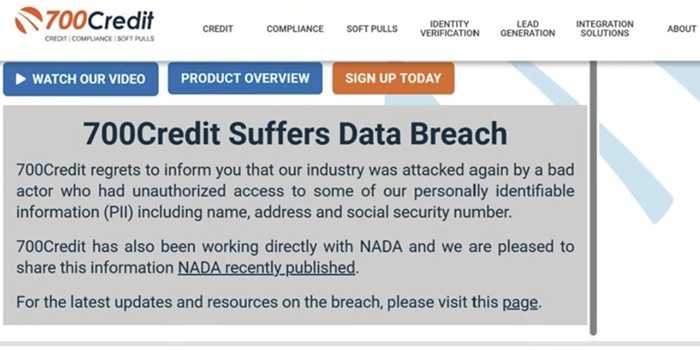
 Massive 700Credit Data Breach Leaves Information of Millions at Risk