Are you hack-proof? The short answer is a resounding "no." However, there are a few things you can do to give it your best shot. Think of it as installing a home security system. Odds are, if your house is broken into the police won't catch them before they are long gone and on their way with your stuff, even with the alarm blaring. But if you have an alarm, they might just decide to go away instead of taking the risk of getting caught.
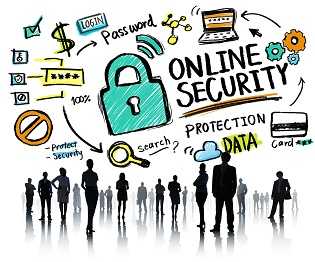 Following are a few tips to help protect yourself so you don't have to go completely off-grid and can still enjoys the benefits of an online presence:
- Create strong passwords for all online accounts. They should be at least eight characters and include upper and lower-case letters, numbers, special characters, and not spell a word found in the dictionary. They should also not include personal information about you such as your birth date or home address.
- Each online account should have its very own login and password combination. It may be a bit of a hassle, but it might mean the difference between having to get a new credit card number and having your bank account wiped clean.
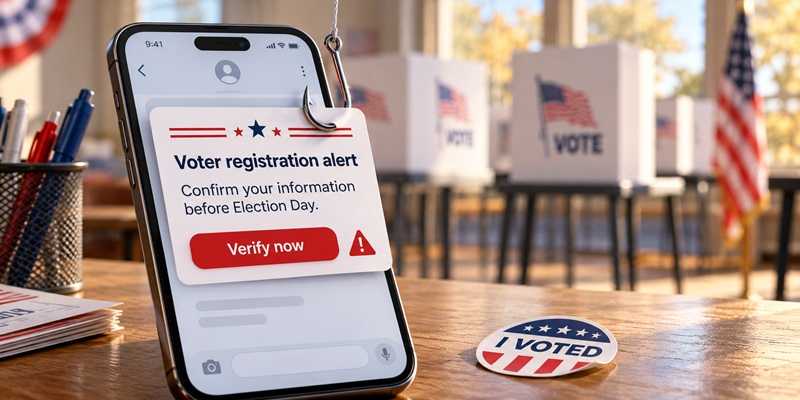
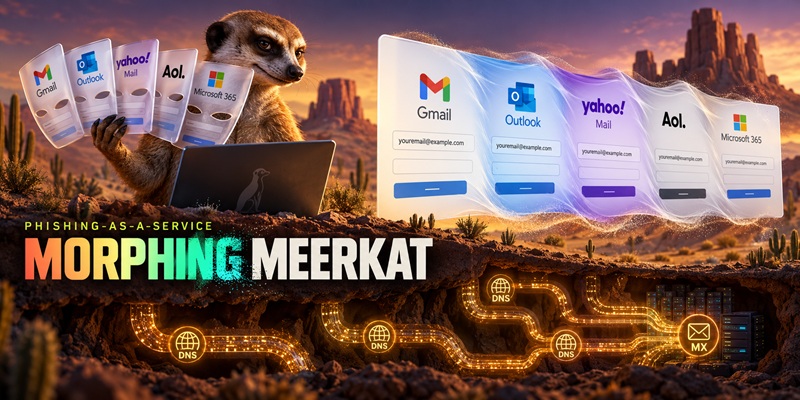
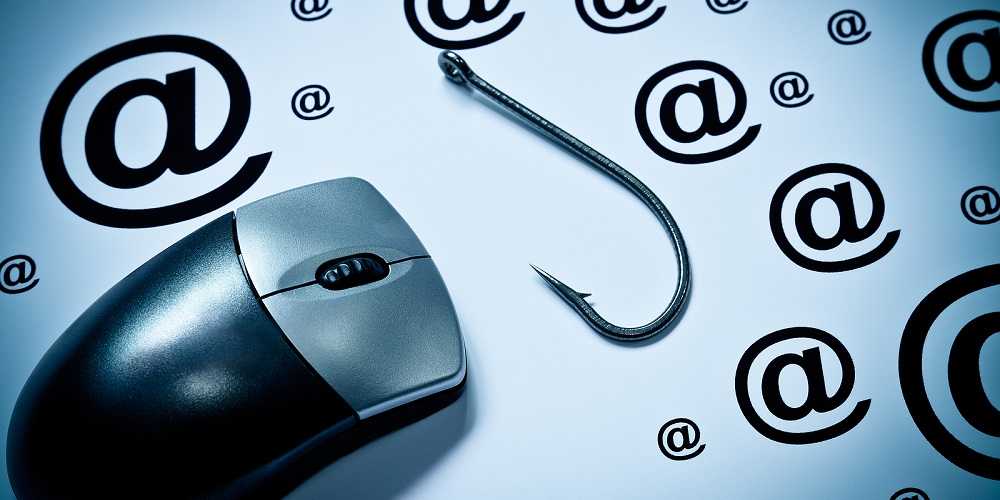
- Watch out for phishing email messages. Know how to identify them and don't fall for them. Send them right to the trash.
- If you order something online, read the confirmation emails closely before clicking links. The bad guys will often send out phishing messages hoping that of the millions they send, a few actually will have just ordered something from the large online retailer they chose to mimic.
- If you take photos with your smart phone or other GPS enabled device and post them to social media or other online sites, consider shutting off the GPS capability on the device. Someone may want to use your whereabouts against you and knowing your coordinates is a great way to rob your house if you post a photo of you on vacation in another location.
- While we're on it, it's best to not share your vacation dates on social media or any other information that can be used by cyber or other criminals. Talk about your trip after your return if you want to share details.
It's great that we can share so much with anyone we like near or far, but it's important to keep personal details private. While there is no guarantee any amount of additional security will prevent you from being victimized, by being aware of what you share will build another line of defense between yourself and criminals.
For banks and credit unions
Share this article with your members
Copy a ready-made summary and link for your newsletter, website or social posts.