Phishing in a general sense is a type of fraud or scam where hackers create authentic-looking email messages or websites in an attempt to get a user to share sensitive information or install malware on a system. It is also a very effective tool for those wanting to steal personal information from all of us. That’s why hackers have recently started a phishing campaign on the popular chat application called WhatsApp.
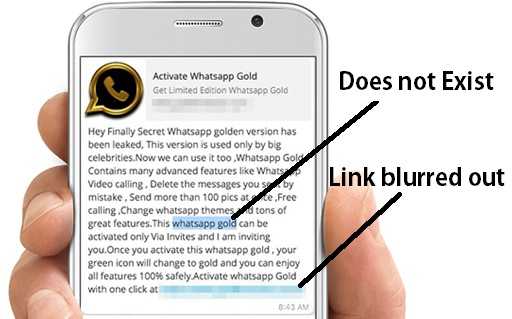
WhatsApp is a messaging app that allows users of iPhone, Blackberry, Android, Windows Phones, and Nokia phones to chat with each other without using SMS texting. Therefore users don’t incur costs for texting. It is very popular all over the world, boasting somewhere close to 1 billion active users. The most recent ruse sent to users of the app claims that by clicking a link and going to a website, the user can get a free upgrade to the WhatsApp “gold” service. The trouble is, there is no such service with this app.
How can you tell? The question is to ask yourself before clicking is “was I expecting this?” Another good question is “do I know the sender?” If either or both is “no,” then it could be phishing and you should either ignore it or do additional checking before clicking.
 Should you click this one, the link takes you to a website where malware is downloaded. Other signs of a scam are within the messaging itself. It’s worded terribly. It’s always a good sign that you are looking at a scam when the logo is skewed or tilted improperly (as this one is) and the grammar and punctuation is incorrect.
The claim of the “gold” plan is premium service with advanced features, claiming to be designed for celebrities. Whatever that means. Just know that the WhatsApp you already use is the only one available for now.
For banks and credit unions
Share this article with your members
Copy a ready-made summary and link for your newsletter, website or social posts.