Facebook is pretty popular these days. In fact, it has over 1.86 billion monthly active users and over 4.5 billion bits of shared content every single day (per Facebook statistics). That’s why it’s frequently used to perpetrate all kinds of cyber attacks.
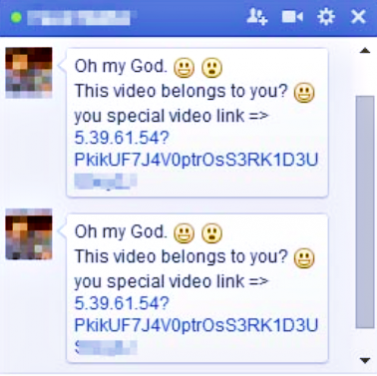 A clever one circulating on the social media site uses YouTube for its trickery. A friend supposedly sends a victim a message letting him or her know there is a video of the recipient on YouTube that has a whole bunch of views. Curiosity gets the best of said victim, a link is clicked and a Facebook login page appears. The catch is that it’s a fake page out to steal credentials.
The page requests Facebook login credentials to be entered again in order to see the video, but those credentials just go to cybercriminals.
The page looks very close to the actual Facebook login page, so it would be easy to see how someone could be tricked. However, if you are already logged into your account, you should not need to log in again to see a video.
Always be aware of scams like this one. They won’t go away because Facebook will continue to be a popular forum for them.
 Avoid clicking links sent to you unexpectedly, regardless of their transportation method. Instead, manually type the address into the browser.
- While it’s becoming less frequent, phishing messages still often have typos, grammatical errors, or improperly used language. Watch for these as an indicator that it may be phishing.
- Always keep anti-malware and anti-virus software installed, active, and updated on your devices. There is no guarantee that they will catch everything, but they will be your first line of defense.
- Contact the sender and make sure it was intended that you receive the link. This is the easiest and fastest way to rule out or in phishing.
- If curiosity is still killing the cat about that YouTube video, do a quick search on the web for it to see if others have reported it as a scam.
For banks and credit unions
Share this article with your members
Copy a ready-made summary and link for your newsletter, website or social posts.