Not all scams we come across or hear about intend to scare us. Sometimes, they merely ask for additional information or offer us a hard to get product or service. Below are some of these.
2
This one is seen often. An email is received stating that some online account needs to be verified. These often appear as if they come from companies such as Apple, PayPal, WalMart, or even the password keeper service LastPass. Inside the email is a link that the victim is to click and enter account credentials, passwords, or other sensitive information that actually gets sent to criminals.
2
 This one is extremely prevalent. Phishing in its many forms is the top way that malware gets onto systems and devices and how people are tricked out of providing sensitive data to scammers. Email messages are either spam or sent appearing to be from a legitimate contact. Often, it appears to be from a vendor who is requesting payment of an invoice. A recent fake PayPal scam used “real” invoices from fake companies to do this. Often links or attachments that arrive unexpectedly in an email contain malware or are phishing for information.
2
Gamers are increasingly being targeted by cybercriminals. They often will create pirated or hacked versions of popular games for overeager gamers to play. Unfortunately, these often contain malware. The key generators often are the culprits for getting the malware onto the device. Other unwanted consequences of downloading these are being exposed to unwanted ads or unknowingly installing potentially unwanted programs (PUP).
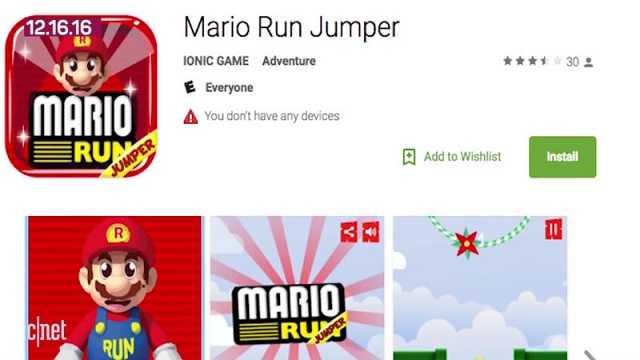
Recently, the highly anticipated game Mario Run was used for such activity. It was officially released for iOS but not for Android. Scammers put out copies of the game claiming to be for Android, but they were filled with Malware.
 Tech Support Scams
This one is very persistent and often starts with a phone call. The scammers call their potential victim and claim they can tell that they need support for their computer or device. This isn’t too far-fetched, as often people do have issues and need help. The problem is that these “helpers” really just want money. They will offer to help for a fee. Usually it’s around $100 and can be paid over the phone. This is one case that credit cards are sometimes accepted. However, they also sometimes ask for pre-paid cards to be sent.
This one is so popular in the criminal underground that a company in India actually offers the scam specifics as a package deal. It’s being called Scareware-as-a-Service. Police in India started cracking down on it, but it’s not likely to go away completely.
 What steps can you take to avoid these scams?
1. Don’t sideload apps for your devices. This means to download them from locations other than the official app stores. They don’t go through as much security scrutiny as they do when they are allowed into those stores and they often contain something you don’t want on your device.
2. Always make sure anti-virus and anti-malware is installed on your devices. Keep it up to date and don’t get a false sense of security if you have an Apple product. Although Android is still targeted more often, many types of malware have been found for Apple devices.
3. When it comes to games and popular apps, patience is the key. Eventually it will likely be released for whatever operating system you have on your device. It’s better to wait a little bit than download something you really don’t want to deal with.
4. If someone calls or emails you out of the blue saying they want to help you with some sort of technical support, don’t provide any information to them and certainly don’t give them money. It’s not possible for someone you didn’t contact first to know if you need that kind of help, no matter what they say.
For banks and credit unions
Share this article with your members
Copy a ready-made summary and link for your newsletter, website or social posts.