People just don't seem to get the significance of their personally identifiable information (PII). This information includes details such as social security numbers, fingerprint and other biometric data, payment card information, and even email addresses and names. While it is nearly impossible to get around these days without sharing your name and email address, the other information is critical to protect. That is because if it gets stolen, it likely will end up on the Dark Web and from there, your identity could be applied to someone else.
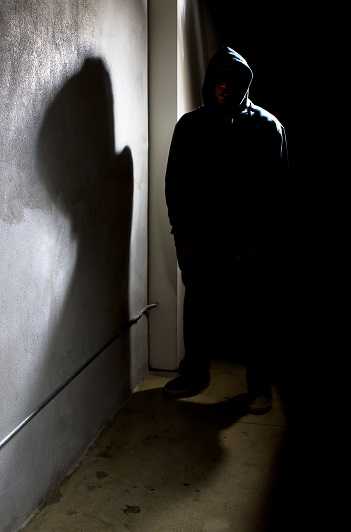 What is the Dark Web? That is a great question. It is the underworld of the World Wide Web. Those who want to play there use special software to connect which allows them to remain mostly anonymous and their activity untraceable. That is why so much of the information that is stolen from businesses around the world is sold there. There are good guys that peruse the Dark Web and help keep an eye on the activity there. However, that does not mean it is easy to catch those committing crimes.
So, it is shocking that 715 million Americans were victims of identity theft in 2016 (up 16% over the previous year) and yet 50% in an Experian study indicated they are either not concerned about it or don't understand how that data found on the Dark Web affects them. Many even believe their financial institutions are monitoring their payment cards and purchases and will make sure they are safe. This simply is not true.
While many payment card issuers do have ways of monitoring card activity and analyzing whether it is normal behavior, the reality is that most fraudulent charges are not caught before they hit the account. In addition, if there is a data breach and a lot of data is stolen at one time, the financial institutions likely won't know about it until strange charges do start showing up.
2
- Put charge alerts and notifications on payment cards. Often, or even most of the time now, this can be done online. They can be set up to alert on a particular amount charged to the card, if the credit limit is close to being exceeded, or even if a charge is placed to an international retailer.
- Closely monitor statements. If you can do this more often than monthly, do so. However, if once a month is what you can do, review them within three days of when they become available. The sooner you bring fraudulent charges to the issuer, the faster it will be resolved and less costly it will be to both of you.
- If you get a notice that your information was stolen as part of a breach and are offered credit monitoring services, take advantage of them. Even though they won't prevent fraud from taking place, they will alert you if someone tries to get credit using your information. If you don't need access to your credit, consider putting freezes on your credit report with the three credit bureaus: Experian, Equifax, and TransUnion.
- When using payment cards, choose to use them as credit rather than debit when possible. This makes it a bit tougher for the card to be duplicated and used to empty your bank account in case of a breach and they get PINs as part of it.
- If your card does not yet have a chip, request it from your card issuer. These chips make it more difficult for cyberthieves to get the information from the card and the post it to the Dark Web.
More information found in that Experian study was that 52% of people surveyed don't think they will ever be a victim of identity theft. And 56% think that time heals all wounds; in other words, as time passes, their risk decreases. While that may be true in matters of the heart, it is definitely not the case when it comes to identity theft.
For banks and credit unions
Share this article with your members
Copy a ready-made summary and link for your newsletter, website or social posts.