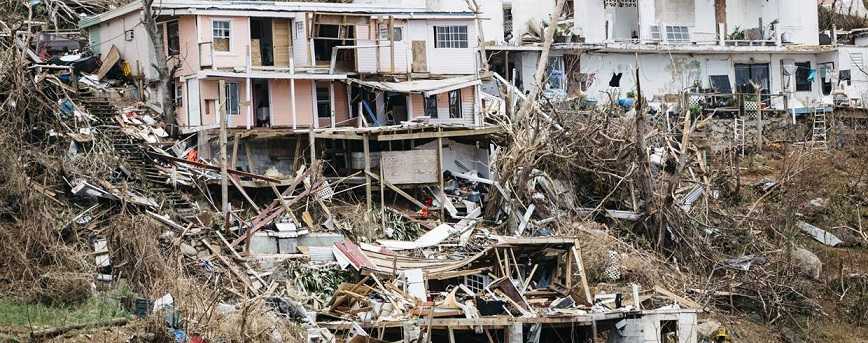
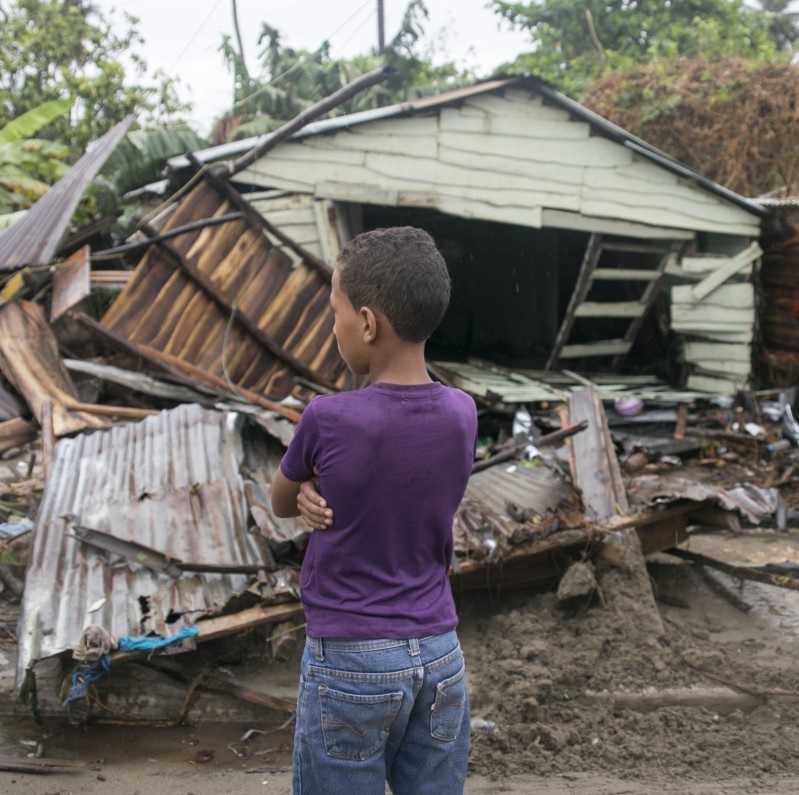
Now that there have been several major hurricanes that caused mass devastation, deaths, and food shortages in the Caribbean and throughout the southeastern portion of the U.S., a couple of deadly earthquakes in Mexico, and several large forest fires all throughout the northwest, those with the best of intentions will be asking for charitable contributions. Unfortunately, those with the worst of intentions will also be asking for your “contributions.” Likely, those requests will piggyback off the real ones and come in the form of spam emails, phone calls, or even via door-to-door solicitation.
 It might be difficult to tell which ones are legitimate and which ones are phishing, so just be aware that they will likely show up in your email inbox or at the other end of your phone line. Some may even come via text message or at your front door.
If you would like to donate, go to the charitable organization’s website. Do some research to find which ones are helping the causes you want to support and give to those directly. Don’t click links or attachments in email message that ask you to give, no matter how nicely they ask. Often, these are just trying to scam you.
In some cases, you can give by texting to a specific number with a “code word.” Some ATMs also will take donations and deduct them directly from your account. If someone comes to your door asking for contributions, make sure they have appropriate identification for soliciting in your city and state before giving them the time of day. If they have that, consider asking them for some literature on the organization and do research online separately. Don’t give at the door. Most authentic organizations will understand your skepticism.
If you are threatened in email, on the phone, or in person, or there is a sense of urgency for you to “give” right away, be suspicious. Delete the email, hang up the phone, or shut the door. If you are threatened in person, get the ID information of the person, or note as much descriptive detail about the person as possible and call your local law enforcement agency to report the incident.
 The U.S. Computer Emergency Readiness Team (US-CERT) is also issuing warnings that these types of fraudsters are out and taking advantage of natural disasters. As long as you remember these exist, keep an eye and ear out for them, you should be able to avoid becoming a victim of these scams.
For banks and credit unions
Share this article with your members
Copy a ready-made summary and link for your newsletter, website or social posts.