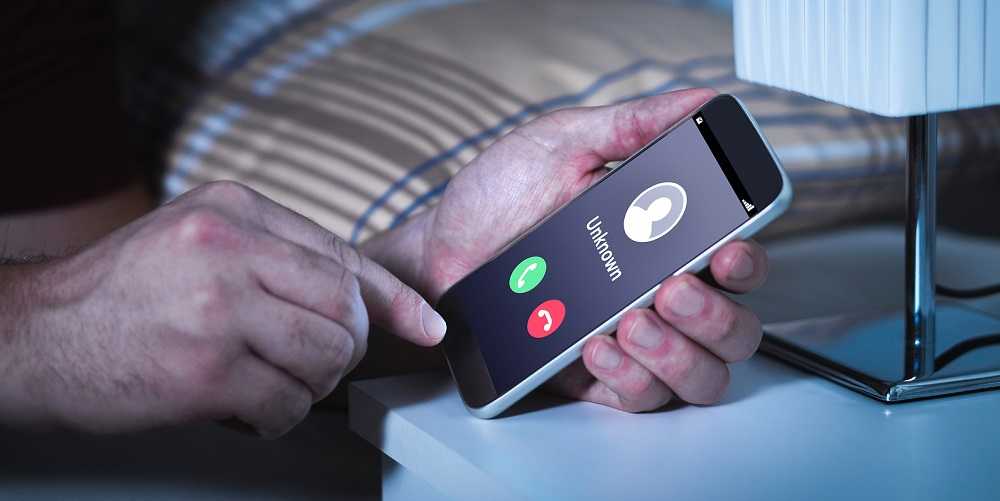
You’ve probably seen phone calls come into your smartphone that say unknown caller. Sometimes they come to your home phone, if you have one. If you don’t pick up, they often just hang up without leaving a message. Sometimes, however, they do leave a voicemail and if you happen to pick it up, you may have heard a recorded voice from the Social Security Administration (SSA) informing you that your social security number (SSN) has been “suspended.” Well, of course you know where this is going.
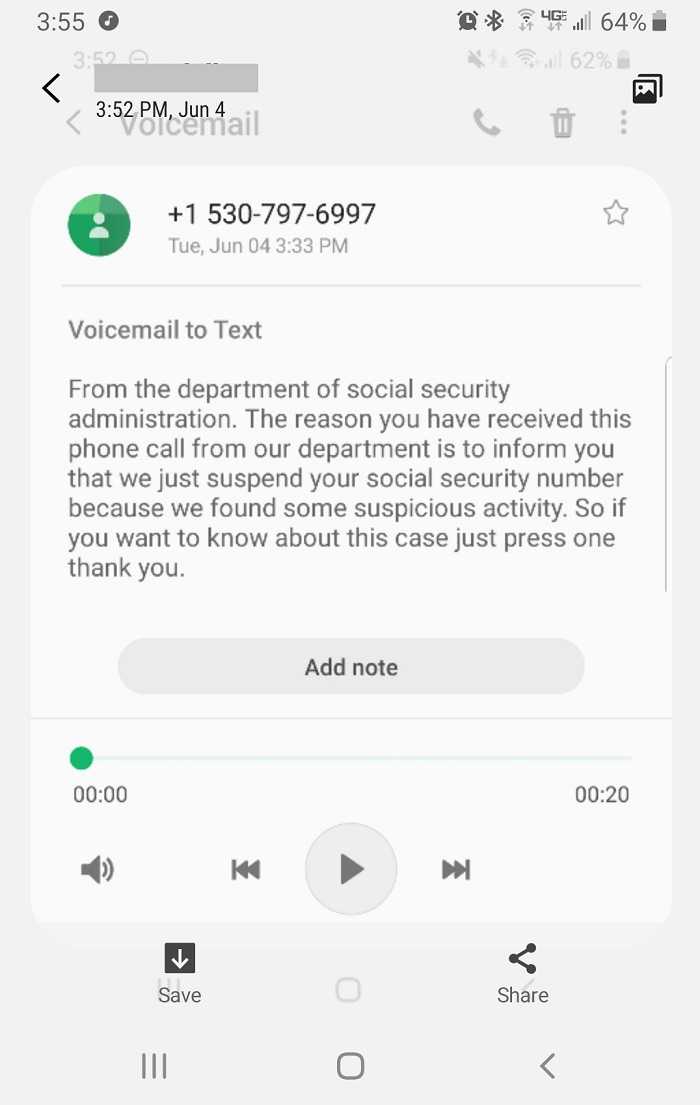 There is no such action. The SSA does not “suspend” your SSN. So, don’t fret. Just hang up the phone or delete the message.
There are many scams that use the names of official organizations such as the SSA or the Internal Revenue Service (IRS) to try and skim some money from unsuspecting victims. However, none of these organizations will initiate conversation with anyone for any reason via email or the telephone. They most certainly won't threaten you in a voicemail message.
Instead, if it's a legitimate need, organizations such as the IRS will send a letter using the good, old, reliable U.S. Postal Service. Yep, they will crank out a letter, put it in an envelope, put postage on it and pop it in the mail. They will not email you or leave you an automated voicemail stating some action will be taken if you don’t respond. So, if you get any such calls or emails, ignore them. Don’t respond to the caller, should you pick up, and don’t reply to the email. If you do, it may mean you get even more bothersome calls and emails. That’s because they have positive confirmation that you (or someone) exists at that number or email address.
Keep in mind that if any message is left on your voicemail or in email that makes it seem there is an extreme urgency for you to reply, it’s probably a scam. And never give personally identifying information or financial information to random callers or emailers.
If these calls annoy you, you can block them on some voicemail systems and on your smart devices. It may not be permanent, as the scammers often just change phone numbers to bypass this, but it may work in the short term. In any case, it certainly cannot hurt to give it a try. It may save your sanity from a constantly ringing phone…for a while.
For banks and credit unions
Share this article with your members
Copy a ready-made summary and link for your newsletter, website or social posts.