It’s been a tough few years for Facebook and its fans. Security issues have rocked the social media giant bringing into question the company’s ability to keep customers safe from harm. Yet another flaw was recently discovered by a social media researcher who found a phishing scam was threatening Facebook’s blue verification badge users. In 2015, Facebook began verifying the identity of users and organizations looking for confirmation they are in fact the real deal and not a hacker posing as them. Originally, it was a response to the overwhelming realization that scammers easily compromise identities of Facebook users and launch identity theft, malware, and other attacks.
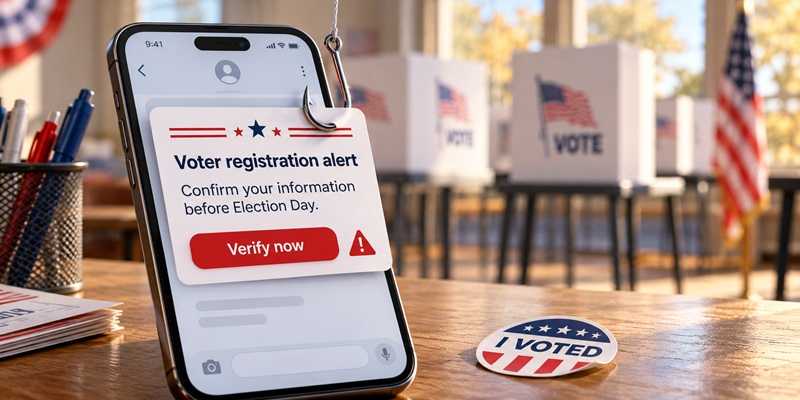
 Thanks to hackers, the big blue verification checkmark on Facebook pages no longer means what it was created for. According to findings, the new phishing scam undermines legitimate users who went through Facebook’s verification process. Phishing messages are sent to those users, telling them Facebook is taking away their verification due to security concerns. Using the Facebook logo, the message contains a link for the user to confirm his or her identity within 24 hours or risk having that validation removed. After providing information to once again secure identity, they find hackers are stealing the data. Even though the message looks real, careful inspection reveals security cracks in the foundation. Those who carefully question the message find classic telltale signs of a scam. The misspellings and bad grammar are something most hackers can’t seem to avoid doing and a sure sign that something’s not quite right.
While Facebook figures out how to address this latest scam, users should proceed with caution. Any messages having to do with verifying an account needs careful scrutiny. Paying attention to detail like misspellings and bad grammar in messages can save a lot of headaches. Going directly to your Facebook account to confirm any questions about verification will show if it’s truly a legitimate request. No need to click links to do any verification. Just visit your account. This goes for other accounts too; not just social media.
Actually verifying a verification request is something all users need to do regardless of where the request comes from. Messages from banks, credit cards, and other sources with personal data can be exploited. You can bet if hackers have infiltrated Facebook with this scam there’s no telling where a similar ploy will show up next. In a cyberworld where criminals abound, there’s a clear need for all users to be cyber-smart. Keeping “don’t trust and always verify” as a security measure goes a long way toward navigating safely online.
For banks and credit unions
Share this article with your members
Copy a ready-made summary and link for your newsletter, website or social posts.