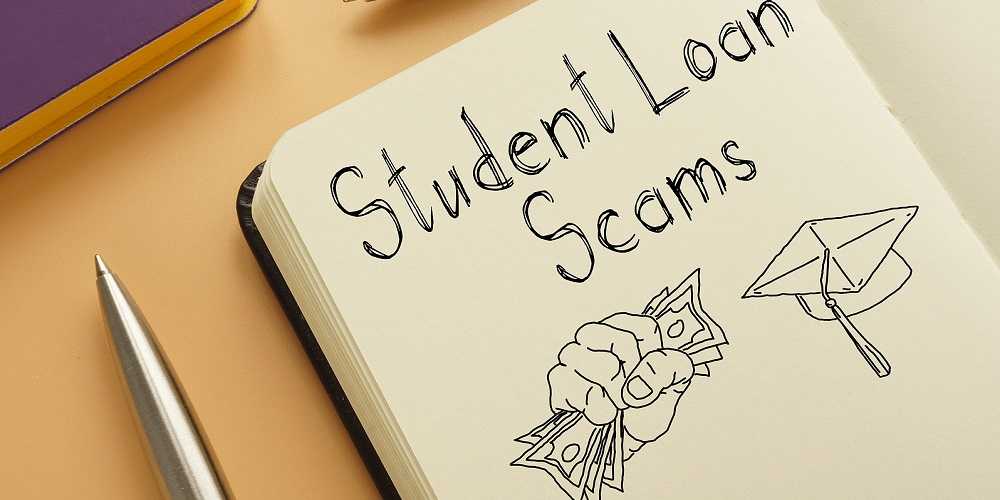
We can all use a little financial help from time to time; especially those saddled with student loan debt. So, there’s no surprise that after the Student Loan Debt Relief Plan was announced and neared reality, an immediate uptick in fraud schemes surrounding this program started to appear. The FBI states scammers are working over time looking to take advantage of those individuals seeking this student forgiveness.
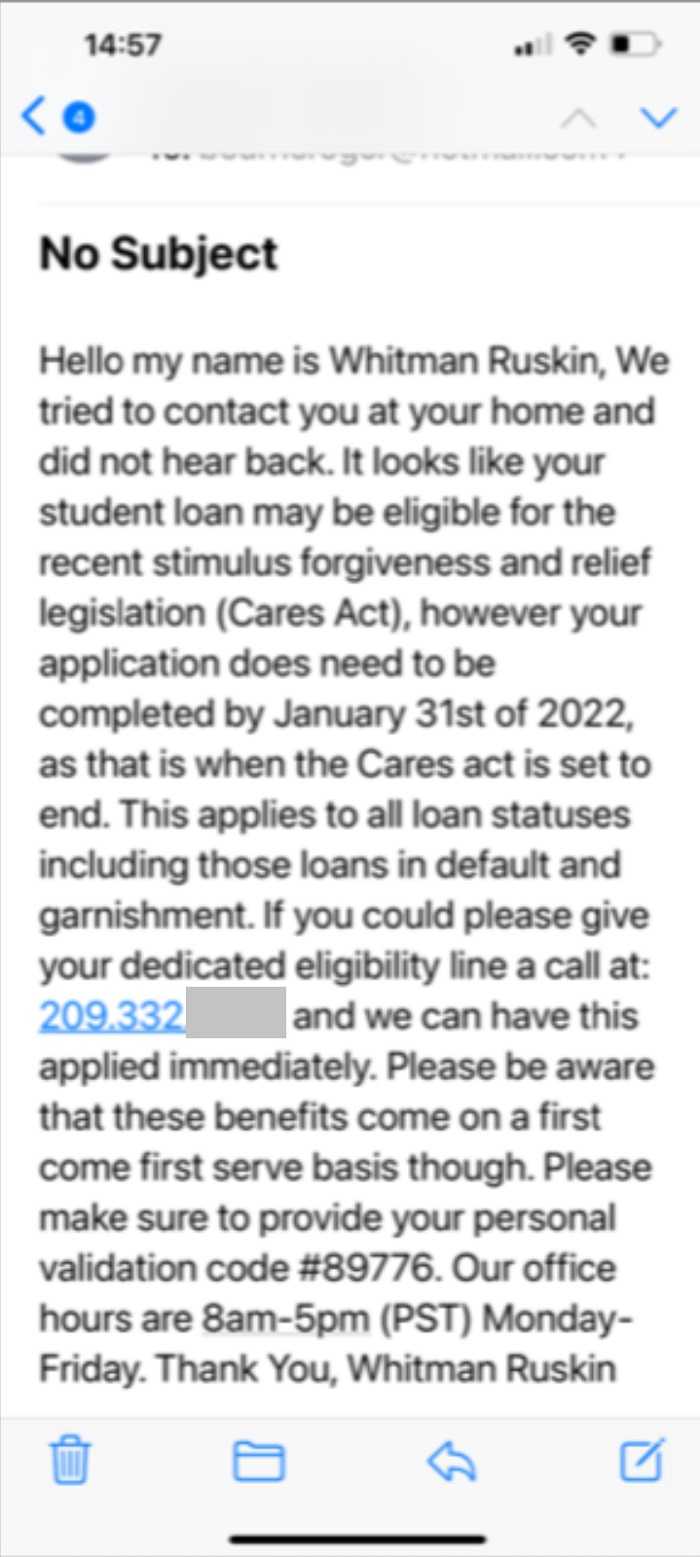 First, the Student Loan Debt Relief Plan is on hold, as of writing. The application is available, however, and that leaves opportunities for scammers, who are already sending texts and/or e-mails to earn a victim's trust. Once that is done, they aspire to gain access to funds in exchange for services they claim to, but don't offer.
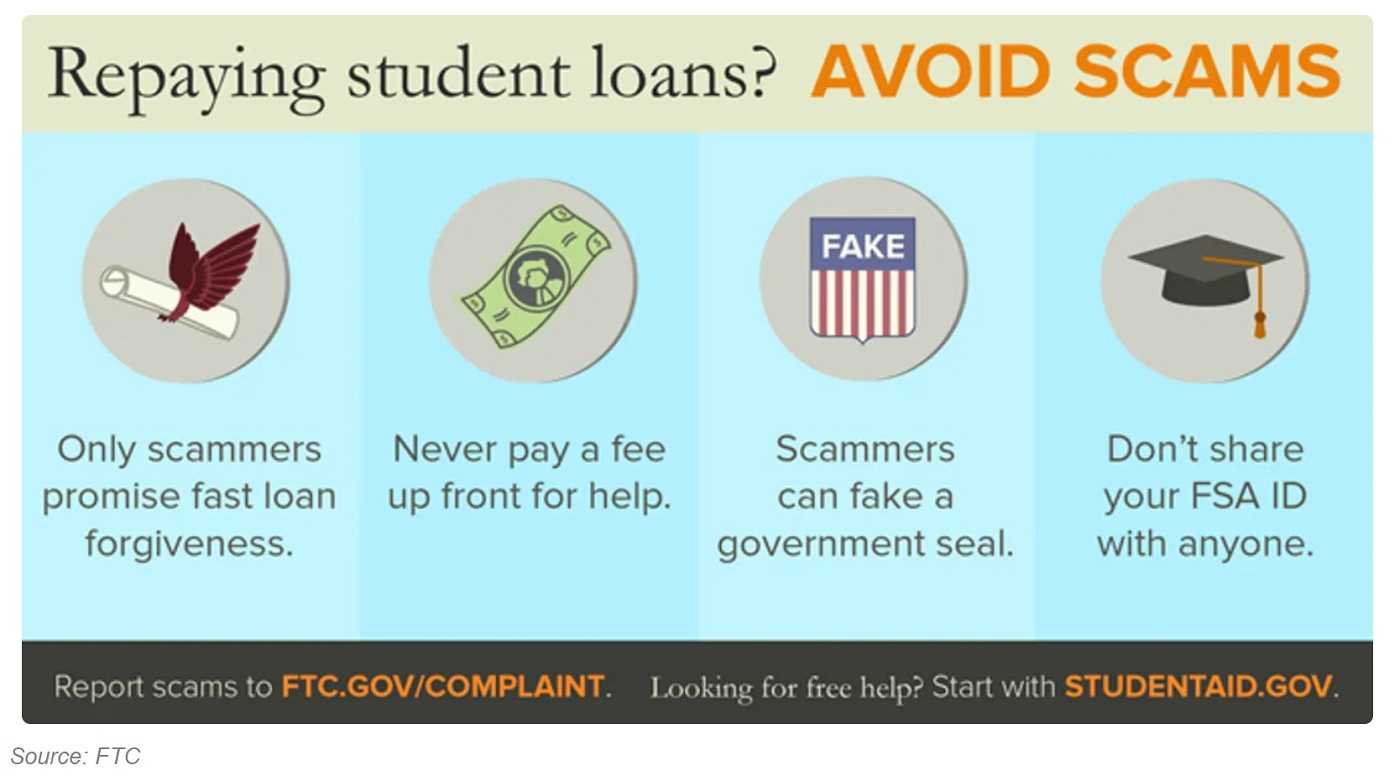
Everything is done by the scammers by using what look like legitimate pages or links. It's important for potential victims to be aware of this and note that the U.S. government does not charge processing fees of any kind during the process. In addition, the application is so simple, that no one should charge for assistance. It truly takes 5 minutes to fill in the information online.
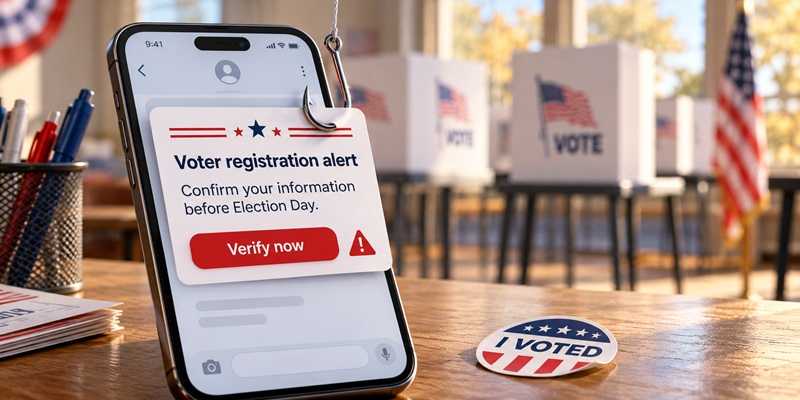
That said, you still may see loads of phishing email show up in your inbox. Remember not to open anything that comes through a text or email stating it's from the government, unless you contacted them first. If there is a link or attachment included in unsolicited email, it is likely associated with this fraud scheme. Look for grammatical errors, as that can also be a sign there is something wrong.
If there are images and/or videos attached to the email, then this is also something to avoid. These can be used to gain access into a person's computer and wreak all kinds of havoc. Therefore, it is best to not click them at all.
The FBI is warning people to remain aware and delete these texts or emails as soon as possible. You should also report these instances to the FBI via its Internet Crime and Complaint Center (IC3).
For banks and credit unions
Share this article with your members
Copy a ready-made summary and link for your newsletter, website or social posts.