Imagine arriving at work to discover that your files are locked, business records have been stolen, and someone is demanding money to make the problem go away. That’s the nightmare behind SafePay ransomware.
In an October 20, 2026, warning, the FBI, the Cybersecurity and Infrastructure Security Agency (CISA), the U.S. Secret Service, and international partners reported that SafePay had affected at least 600 organizations since August 2024.
2
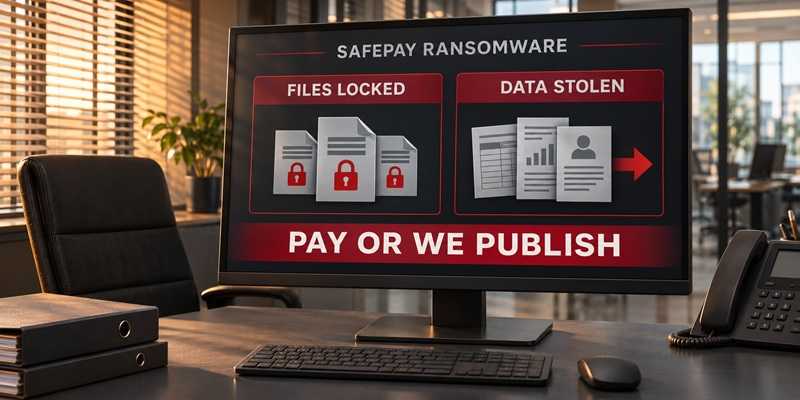
SafePay uses a nasty one-two punch known as double extortion. Attackers steal sensitive information and encrypt files, making them unusable. They demand payment and threaten to publish the stolen data.
The group may also undermine recovery by deleting backup copies or resetting network storage containing backups.

Paying does not guarantee a happy ending. The FBI discourages ransom payments because victims may never regain access to their data. And even if files are restored, payment offers no assurance that criminals will delete stolen information or keep it private.
You’re negotiating with criminals, after all. Customer satisfaction probably isn’t their top priority.
2
According to federal authorities, entry points include stolen credentials, password-guessing attacks, phishing, and known security weaknesses in internet-facing systems.
Vulnerable VPN gateways, firewalls, and other equipment can give attackers a foothold. The same technology intended to protect a network can become an entry point when weaknesses remain unaddressed.
2
Although SafePay targets organizations, the consequences can reach employees, customers, and anyone depending on an affected service. Ransomware can interrupt operations and put sensitive records at risk.
The agencies recommend promptly updating systems, prioritizing known exploited vulnerabilities, requiring multifactor authentication, and limiting administrative privileges to people who need them.
Businesses should also maintain protected backups, including offline copies, and regularly test whether they can restore critical information. A backup that attackers can erase may not be much help when you need it most.
Backups can help restore operations, but they cannot undo the theft of sensitive information.
For individuals, familiar precautions still matter: keep devices updated, use unique passwords, enable multifactor authentication, and consider passkeys where available. Treat unexpected sign-in requests, links, and attachments cautiously. If something looks suspicious at work, report it to your IT team promptly.
Ransomware criminals don’t always need a Hollywood-style hack. Sometimes, an unpatched security flaw or stolen password is enough. Keeping systems updated and accounts protected can help close the door before SafePay comes knocking.